AC Schnitzer: When Iconic Tuners Fall Silent

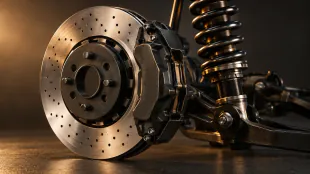
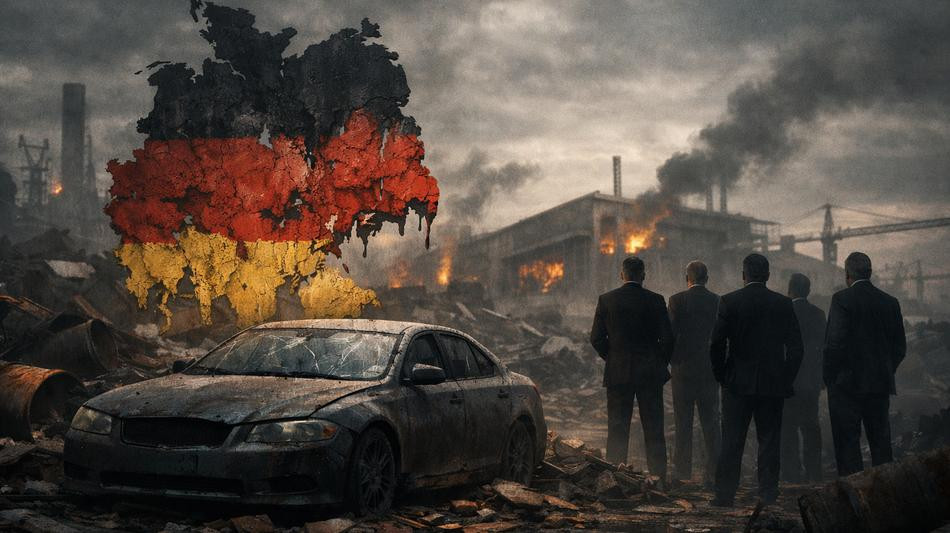
The announced end of AC Schnitzer by the close of 2026 is far more than the disappearance of a well-known tuning brand. It is a warning signal with meaning far beyond the BMW enthusiast scene. When a company that for decades stood for sporty BMW refinement, forged wheels, suspension upgrades, exhaust systems and a distinctly German form of engineering passion can no longer operate its manufacturing and tuning business economically in Germany, the issue is no longer just about one brand. It becomes a question about Germany as an automotive business location. AC Schnitzer therefore turns into a symbolic case: one that reflects weakening competitiveness, a cost structure that has become increasingly hard to carry and a growing public impression that politics is reacting too slowly, too cautiously and too late.
That is why the topic strikes such a deep emotional nerve. AC Schnitzer was never merely a supplier of aftermarket parts. The company represented an entire culture of refinement, balancing factory-like elegance with a more rebellious edge. For many BMW fans, it was part of the national automotive landscape: Aachen, BMW, motorsport associations, complete vehicle programs, distinctive forged wheels, aerodynamic components, performance kits and memorable special builds. In that sense, the end of AC Schnitzer is not simply a balance-sheet story. It is also the loss of a piece of industrial identity.
The reasons behind the closure are revealing because they expose exactly the chain of problems that German industry has been discussing for years. At the core lies a toxic mix of rising development and production costs, slow approval procedures, intensifying international competition and shifting demand. The most striking point is the complaint about the length of the German approval system. If aftermarket parts reach the market many months after foreign competitors have already launched theirs, a specialist niche player loses precisely what matters most: timing, visibility and margins. On top of that come more expensive raw materials, volatile exchange rates, supplier disruptions, tariffs in important export markets, hesitant consumer spending and the gradual decline of the combustion-engine culture that once fueled large parts of the tuning scene. AC Schnitzer is therefore not describing a single isolated problem, but a concentration of structural burdens.
This is also where the story becomes political. What is visible in the AC Schnitzer case is something that many industrial businesses in Germany have been feeling for quite some time in different forms: high labour-related charges, still elevated energy burdens in key areas, complex regulation, slow administration and a public debate that often fully recognizes economic reality only once a traditional name is already on the brink. The criticism that emerges from many reactions is therefore not merely that Germany has become expensive. It is that the state has been too slow to correct its own location disadvantages. If companies need faster procedures, lower burdens, more predictable conditions and a more modern administration, symbolic industrial policy is no longer enough. What matters then is whether the business environment works in practice.
That is precisely what makes the AC Schnitzer case so explosive. It does not happen in a time of industrial momentum, but in a period of sustained uncertainty. Germany’s automotive sector remains under transformation pressure, demand is fragile, parts of the cost base are internationally unattractive and competitive pressure is becoming harsher outside Europe. Niche suppliers are especially exposed. Large corporations can often absorb burdens internally, spread risks and offset pressure through scale. A specialized tuning house cannot do so to the same degree. For such companies, speed to market is not secondary. It is a condition of survival. Lose months, and you lose customers. Lose cost competitiveness, and you lose earnings. Operate in a market where younger buyers have different symbols, different mobility ideals and different spending priorities, and the pressure comes from several sides at once.
Public reaction is telling because it is not one-dimensional. There is, of course, a great deal of sadness. Many enthusiasts mourn a brand that stood for a specific BMW era, for individualized performance with a seal of quality and for a special blend of everyday usability, design and motorsport spirit. But the debate is also much harsher than pure nostalgia would suggest. A large share of public commentary does not only complain about bureaucracy, taxes, charges and Germany as a difficult industrial location. Many also argue that AC Schnitzer itself may have reacted too slowly to changes in the market. Criticism focuses on delayed product availability, a price level that some view as excessive, accessories that no longer appeal to everyone, and the question of whether the brand still had real reach among younger buyers. Pressure from factory-backed performance parts and other tuners is also mentioned repeatedly. The picture is therefore complex: AC Schnitzer is a victim of difficult framework conditions, but in the eyes of many observers not exclusively so.
That very ambivalence makes the case more credible. It would be too simple to read the end of AC Schnitzer only as proof of political inaction. It would be equally wrong to dismiss the location issue and explain everything solely through management or product-strategy mistakes. The real force of the story lies in the combination. Germany has become tougher terrain for specialized industrial players, while entire markets, customer groups and technologies are changing at speed. In such an environment, high costs, slow procedures and uncertain outlooks reduce a company’s ability to reinvent itself. This is where the accusation of political inertia grows stronger: the diagnosis has been known for years, yet relief for businesses often remains fragmented, bureaucratic or delayed.
Seen that way, the end of AC Schnitzer is a warning. Not because the entire German automotive industry is about to collapse, but because the case shows in miniature how a country can begin to lose its industrial fine mechanics. Economic decline is not always most clearly visible in the biggest factories or the loudest headlines. Often it is the retreat of highly specialized, brand-defining medium-sized companies and niche champions that says more about a location than any Sunday speech. AC Schnitzer shows how quickly legend can turn into cost accounting.
Germany will now be judged by whether it draws practical conclusions. Faster approvals, less administrative friction, more reliable investment conditions, a more competitive burden structure and a public administration that supports rather than slows companies would not be luxuries. They would be preconditions for preserving industrial diversity. At the same time, companies themselves must become quicker, younger in their market appeal, closer to their customers and more willing to innovate. The AC Schnitzer case proves both things at once: the location is under strain, and the industry is in transition. If that lesson is ignored, Germany may soon lose not only a cult tuner, but more of the names that have shaped its automotive identity for decades.