Berliner Boersenzeitung - War-linked power crunch pushes Sri Lanka to four-day week

EUR -
AED 4.240081
AFN 75.628368
ALL 93.094431
AMD 422.645236
AOA 1059.875198
ARS 1721.451062
AUD 1.632666
AWG 2.081073
AZN 1.960779
BAM 1.957382
BBD 2.325079
BDT 142.166128
BHD 0.435356
BIF 3451.219115
BMD 1.154548
BND 1.477081
BOB 13.616122
BRL 5.950424
BSD 1.154433
BTN 109.991846
BWP 15.540425
BYN 3.447757
BYR 22629.142525
BZD 2.321797
CAD 1.607587
CDF 2626.597054
CHF 0.936656
CLF 0.026764
CLP 1053.386652
CNY 7.787777
CNH 7.78805
COP 3623.583811
CRC 524.423831
CUC 1.154548
CUP 30.595524
CVE 110.355143
CZK 24.252671
DJF 205.577926
DKK 7.475687
DOP 67.403891
DZD 153.435674
EGP 57.977825
ERN 17.318221
ETB 186.734934
FJD 2.552707
FKP 0.854422
GBP 0.853529
GEL 3.019111
GGP 0.854422
GHS 13.217797
GIP 0.854422
GMD 84.858232
GNF 10141.283867
GTQ 8.808042
GYD 241.567323
HKD 9.059716
HNL 30.942739
HRK 7.535736
HTG 151.000729
HUF 364.102928
IDR 20602.91063
ILS 3.450656
IMP 0.854422
INR 110.101227
IQD 1512.309126
IRR 1587157.25621
ISK 141.801407
JEP 0.854422
JMD 182.759286
JOD 0.818586
JPY 183.670703
KES 149.294395
KGS 100.965522
KHR 4674.737561
KMF 492.992624
KRW 1636.329207
KWD 0.356802
KYD 0.962069
KZT 537.51976
LAK 26047.276614
LBP 103379.244923
LKR 385.891872
LRD 209.531155
LSL 18.653014
LTL 3.409081
LVL 0.698374
LYD 7.363014
MAD 10.723059
MDL 20.012
MGA 4968.058138
MKD 61.579768
MMK 2424.478032
MNT 4152.523128
MOP 9.331022
MRU 46.142691
MUR 54.34422
MVR 17.837556
MWK 2001.835191
MXN 19.697421
MYR 4.717023
MZN 73.196549
NAD 18.653014
NGN 1572.829598
NIO 42.484703
NOK 10.940093
NPR 175.983703
NZD 1.967517
OMR 0.443929
PAB 1.154443
PEN 3.901587
PGK 5.106171
PHP 70.691785
PKR 320.66916
PLN 4.304272
PYG 6888.626947
QAR 4.208838
RON 5.240513
RSD 117.333228
RUB 95.656399
RWF 1700.459557
SAR 4.329967
SBD 9.311477
SCR 15.843758
SDG 693.313001
SEK 10.996308
SGD 1.476692
SLE 28.284795
SOS 659.727467
SRD 43.810462
STD 23896.814398
STN 24.519817
SVC 10.101251
SZL 18.634899
THB 38.167052
TJS 10.678523
TMT 4.052464
TND 3.38974
TRY 55.124598
TTD 7.829395
TWD 37.197283
TZS 3053.783117
UAH 51.582842
UGX 4282.461019
USD 1.154548
UYU 46.467957
UZS 13804.275968
VES 877.76273
VND 30081.173158
VUV 136.747913
WST 3.151905
XAF 656.481872
XAG 0.017457
XAU 0.000262
XCD 3.120224
XCG 2.080581
XDR 0.816156
XOF 656.493254
XPF 119.331742
YER 273.877749
ZAR 18.627802
ZMK 10392.318525
ZMW 21.726747
ZWL 371.764013
  • RBGPF

    2.2800

    72.16

    +3.16%

  • RYCEF

    -0.0200

    20.55

    -0.1%

  • BCE

    -0.2500

    23.11

    -1.08%

  • RELX

    -0.6600

    34.71

    -1.9%

  • NGG

    0.9300

    81.21

    +1.15%

  • RIO

    1.3000

    102.3

    +1.27%

  • CMSD

    -0.0800

    21.55

    -0.37%

  • GSK

    -0.6300

    50.28

    -1.25%

  • AZN

    -0.2600

    158.46

    -0.16%

  • BCC

    -0.8650

    84.625

    -1.02%

  • VOD

    0.1400

    16.04

    +0.87%

  • BP

    -0.5050

    42.66

    -1.18%

  • JRI

    -0.0100

    12.71

    -0.08%

  • BTI

    -0.1750

    56.635

    -0.31%

  • CMSC

    -0.1300

    21.44

    -0.61%

War-linked power crunch pushes Sri Lanka to four-day week
War-linked power crunch pushes Sri Lanka to four-day week / Photo: Ishara S. KODIKARA - AFP

War-linked power crunch pushes Sri Lanka to four-day week

Millions of Sri Lankans enjoyed a government-ordered extra day off on Wednesday as the island nation battles an energy crisis triggered by the Middle East war.

Text size:

Rail and bus stations were largely deserted as most state institutions, schools and universities shifted to a four-day working week.

"I am really enjoying the mid-week break because it is a fully paid holiday," said housing ministry official Prarthana Perera, 40.

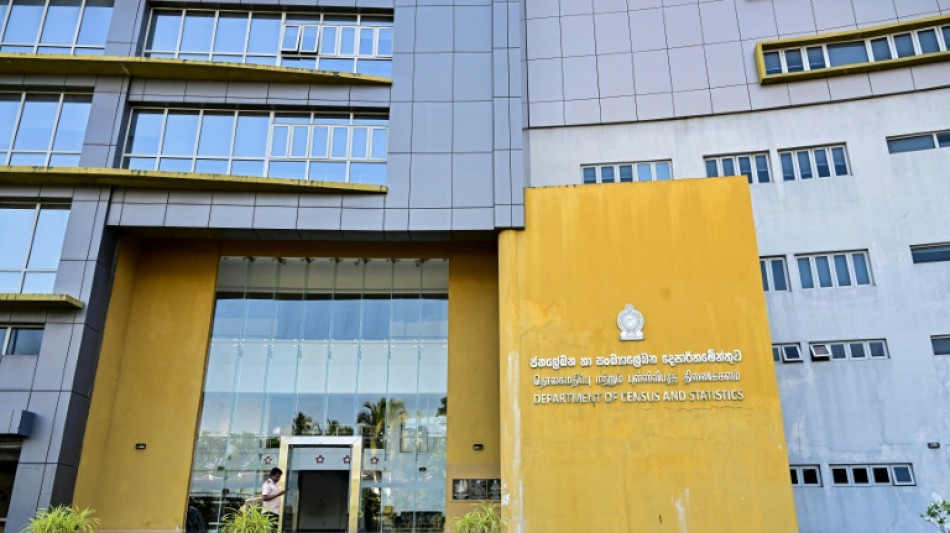
Her office, like many government departments in Battaramulla -- the capital's main administrative hub -- was closed.

Banks operated on shorter hours, while many private firms introduced work-from-home arrangements, industry bodies said, urging members to help curb energy use.

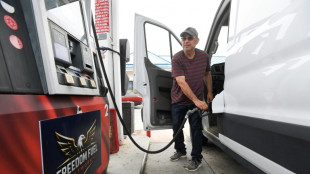
Sri Lanka has already raised fuel prices by a third since the United States and Israel began bombing Iran, triggering retaliatory attacks that have disrupted global energy supplies.

About half of Sri Lanka's electricity is generated by coal and diesel.

The cabinet has set a target of cutting electricity consumption by 25 percent, ordering street lamps switched off and asking civil servants to use table fans instead of power-hungry air conditioners.

Shipping executive Varuna Perera welcomed the day off but was uncertain of its impact.

"It will not be effective in the long term," Perera said. "But the government will have a breather for a couple of weeks, to save some energy."

Environmental lawyer Ravindranath Dabare was more sceptical, arguing the move would have limited impact as those needing government services would have to travel on other days.

"We can't close hospitals... the doctors and health officials can't work from home," Dabare said.

The influential Chamber of Commerce said it had urged members to follow government guidelines or adopt remote work where possible, if "business continuity can be effectively maintained".

And Sri Lanka's leading technology firm WSO2 made working from home mandatory for its 500 employees on Tuesdays and Thursdays.

"This is our way of contributing to the national cause," WSO2 spokeswoman Zaithoon Bin-Ahamed told AFP.

- 'Improving productivity' -

Media Minister Nalinda Jayatissa said the government had yet to assess the impact of the energy-saving measures, but expected broad compliance.

Sri Lanka has been running coal and diesel power plants at full capacity to meet electricity demand.

President Anura Kumara Dissanayake urged electric vehicle owners not to charge their cars overnight, as they would add a surge to an already strained grid.

He asked motorists instead to plug in during the day, when excess solar power is available.

Officials said the country's diesel stocks are sufficient to last until mid-May, while petrol could last a week longer.

The government is seeking oil supplies from Russia and hopes to tap Iran for crude oil, Jayatissa said.

Political commentator Kusal Perera said the crisis also presented scope to boost productivity across the state sector.

"They must use this opportunity to have a national dialogue on improving productivity," he told AFP. "We have to address the inefficiency in the public sector."

(B.Hartmann--BBZ)