Brazil caimans fight to survive in polluted Rio waters / Photo: Tercio TEIXEIRA - AFP

Intrepid as Crocodile Dundee, Brazilian biologist Ricardo Freitas catches a caiman in the dark of night with a snare pole, then hoists it into his small wooden boat.
Unfazed by the reptile's sharp teeth, he grabs it by the snout and wraps a black band around its muzzle to examine it without getting bitten.
The 1.5-meter (five-foot) caiman is right at home in the lagoon waters of Jacarepagua, a vast, urban district on Rio de Janeiro's west side whose name means "Valley of the Caimans" in the Tupi-Guarani Indigenous language.
Despite the name, there is little trace in Jacarepagua these days of verdant valley or tropical forest: it is increasingly a concrete jungle, with upmarket high-rises surrounding the lagoon and tens of thousands of residents' waste water emptying into it.
Freitas's boat floats on the foul-smelling water directly in front of the sprawling Olympic village from the 2016 Rio Games.
The 44-year-old biologist fears for the future of this ancient species in a world of rampant urbanization: "They're threatened with extinction," he says.
- Swallowed trash and condoms -
Freitas estimates the region is home to around 5,000 broad-snouted caimans (Caiman latirostris).
The largest grow to more than three meters long.
One major threat to their survival: 85 percent of the specimens he examines are males, an imbalance he blames on pollution.
"Caimans are laying their eggs in extremely polluted areas, where the water temperature is higher. That makes it more likely the offspring will be males," he says.
"It's a species where sex is determined by the incubation temperature of the eggs... Here, the water is a lot warmer because of all the decomposing materials."
That threatens the entire ecosystem, not just the caimans, he adds.
"Since (caimans) are at the top of the food chain, they are key to maintaining equilibrium between species. Without caimans, the area's biodiversity would be completely compromised."
Freitas, who has a PhD in ecology, has been studying these waters for more than 20 years.
The head of a small conservation group called the Jacare Institute, he has captured and logged data on more than 1,000 caimans.
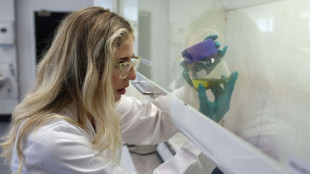
Aboard his boat, he weighs, measures and takes scale samples from the reptiles to analyze them for levels of contamination from lead, mercury and other heavy metals.
He also pumps their stomachs to see what they have been eating.
"I've found all kinds of waste: plastic bags, pieces of cans, bottle caps, even condoms," he says.
- 'State of abandonment' -
Rampant urbanization has steadily reduced the caimans' native habitat, drawing them into polluted residential areas in search of food.
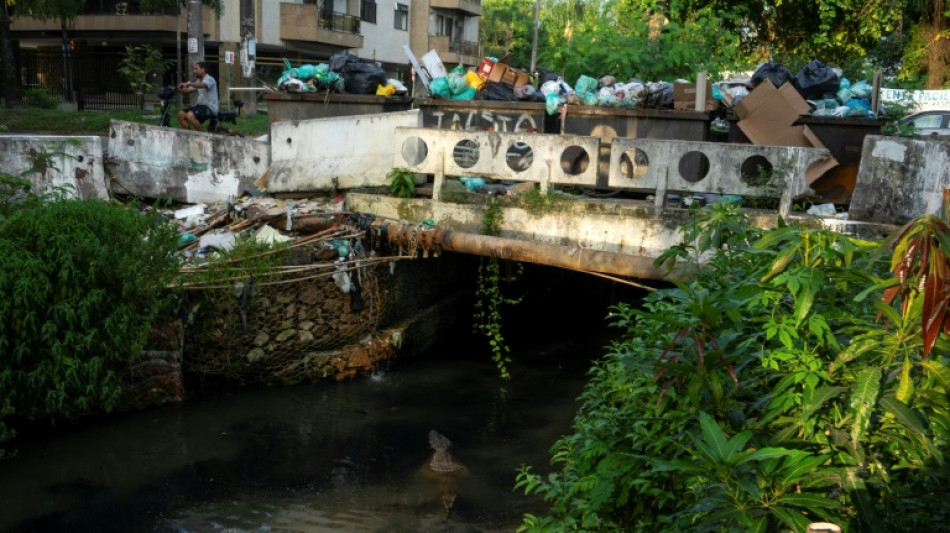
In a canal through the Terreirao, a working-class neighborhood, caimans are literally swimming in refuse.
One peeks out just its snout through a carpet of waste in the water, including a dismembered doll and a deflated football.
"It's sad to see them in the middle of all this pollution. It's a little scary to live so close to them, but they almost never leave the water," says 34-year-old resident Regina Carvalho, a preschool assistant.
When the canal floods, locals sometimes find themselves nose to nose with the wild animals.
But shopkeeper Alex Ribeiro, 58, says he has "never heard any talk of attacks."
"Everything is in a state of abandonment here, with makeshift sewage pipes from people's houses emptying into the canal," he says.
"You can imagine the level of pollution the caimans are exposed to."
(P.Werner--BBZ)