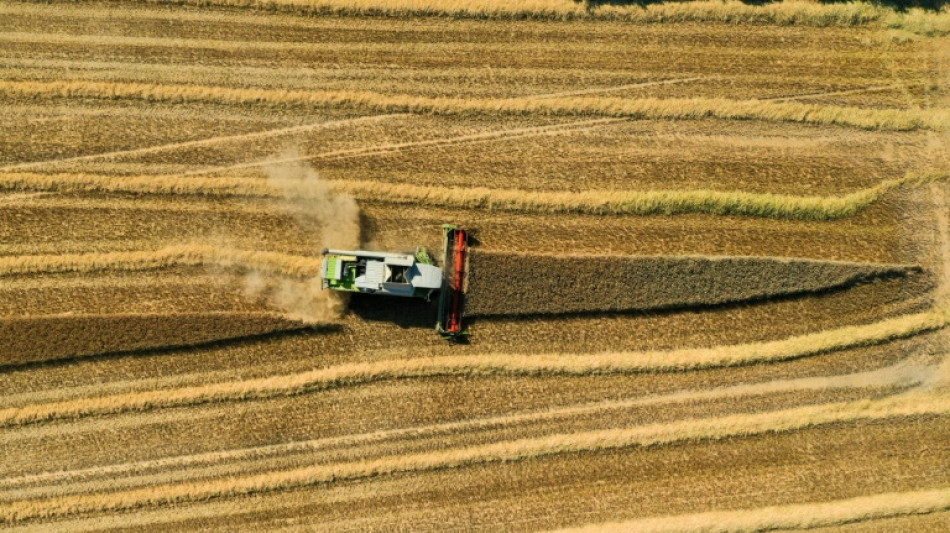
Climate change made 2022 drought 'at least 20 times likelier' / Photo: INA FASSBENDER - AFP/File

Human-caused climate change made this summer's drought across the Northern Hemisphere at least 20 times more likely, according to a rapid analysis released Wednesday that warns such extreme dry periods will become increasingly common with global heating.
The three months from June-August were the hottest in Europe since records began, and the exceptionally high temperatures led to the worst drought the continent has witnessed since the Middle Ages.
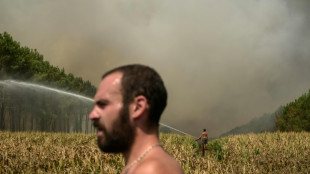
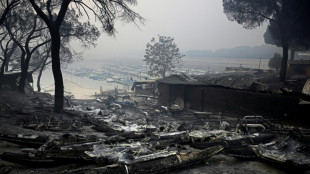
Crops withered in European breadbaskets, as the historic dry spell drove record wildfire intensity and placed severe pressure on the continent's power grid.
Successive heatwaves between June and July, which saw temperatures top 40 degrees Celsius (104 degrees Fahrenheit) in Britain for the first time, saw some 24,000 excess deaths in Europe.
China and North America also experienced unusually high temperatures and exceptionally low rainfall over the period.
An international team of climate scientists have determined the warming caused by human activity made such extreme weather significantly more likely than it would have been at the dawn of the industrial age.
The World Weather Attribution service calculated that the agricultural and ecological drought over the Northern Hemisphere was at least 20 times likelier thanks to global heating.
"The 2022 summer has shown how human-induced climate change is increasing the risks of agricultural and ecological droughts in densely populated and cultivated regions of the North Hemisphere," said Sonia Seneviratne, a professor at the Institute for Atmospheric and Climate Science at ETH Zurich in Switzerland and one of the study contributors.
- 'Faster than expected' -
To quantify the effect of human-caused climate change on soil moisture levels, the team analysed weather data and computer simulations to compare the real climate as it is today -- that is, some 1.2C hotter than pre-industrial levels -- with a climate absent of any human-induced heating.
They found that western and central Europe experienced particularly severe drought and substantially reduced crop yields.
Moisture in the top 7cm of soil across the Northern Hemisphere was made five times likelier to experience severe drought due to climate change, the study found.
For the top one metre of soil -- known as the root zone -- this summer's dryness was made at least 20 times likelier due to global heating.
"Really what is most relevant for agriculture and ecological impacts is the top one metre of the soil because that's where plants have their roots," said Seneviratne.
Overall, a Northern Hemisphere drought such as this summer's was now likely to occur once every 20 years in today's climate, compared to once every 400 years in the mid eighteenth century.
Producers in Europe and China have warned of significantly lower than expected harvests in crop staples due to the dry spell, after food prices spiked to multi-year highs following Russia's invasion of Ukraine in February.
Friederike Otto, senior lecturer in climate science at the Imperial College London, called the crop shortfall "particularly worrying".
"It followed a climate change-fuelled heatwave in South Asia that also destroyed crops, and happened at a time when global food prices were already extremely high due to the war in Ukraine," she said.
Otto said the Northern Hemisphere in general was showing a "pure climate change signal" in its overall warming trends.
Maarten van Aalst, director of the Red Cross Red Crescent Climate Centre and professor of climate and disaster resilience at University of Twente, said governments needed to do far more to prepare for future heat and drought shocks, which will become ever more frequent as temperatures rise.
"We're talking tens of thousands of people killed by these phenomena and one thing that we're seeing is the impacts compounding and cascading across regions and sectors," he said.
"It's playing out in front of our eyes even faster than we might have expected."
(S.G.Stein--BBZ)