Despair, elation, confusion: Climate talks go to wire / Photo: MOHAMMED ABED - AFP/File

COP27 host Egypt scrambled to salvage UN climate talks Saturday with crunch negotiations hanging on tussles over driving forward action to fight global warming in a world facing an onslaught of deadly weather extremes.
The two-week talks, already a day into overtime, have whiplashed between fears the process could collapse, to hopes of a major breakthrough on "loss and damage" funding for climate vulnerable nations.
With delegates from nearly 200 countries still at loggerheads as talks dragged passed midnight, delegates told AFP that the remaining issues focused how to speed the greening of the global economy, including a controversial pledge to move away from planet-heating fossil fuels.
Earlier, the European Union said it would rather "no result" than a bad one, over concerns that final decision documents would be weak on curbing emissions.
Spanish minister Teresa Ribera said it was a "complicated situation", with countries pushing for language on ramping down fossil fuels "to be harder".
An adviser to Papua New Guinea, Kevin Conrad, said the "usual suspects" were attempting to remove all reference to the issue. In the past, Saudi Arabia in particular has sought to block such language.
Conversely the deal on loss and damage -- which barely made it onto the negotiation agenda -- gathered critical momentum during the talks and appeared to be headed for confirmation at a closing plenary, according to multiple delegations.
Earlier, European sources confirmed "a deal has been reached" on a loss and damage fund for vulnerable countries.
Pakistan's Climate Minister Sherry Rehman said she was "hopeful of a positive outcome", adding a deal would be the culmination of a 30-year campaign by developing countries.
"If that happens today, that will be a historic reminder to vulnerable people all over the world that they have a voice and that if they unite... we can actually start breaking down barriers that we thought were impossible," she told AFP.
Pakistan -- struck by devastating heat waves and floods this year -- chairs the G77 and China bloc of 134 developing nations, which has campaigned strongly for a fund for loss and damage to be agreed at COP27.
With around 1.2C of warming so far, the world has seen a cascade of climate-driven extremes in recent months, shining a spotlight on the plight of developing countries faced with escalating disasters, as well as an energy and food price crisis and ballooning debt.
The World Bank has estimated the Pakistan floods alone caused $30 billion in damage and economic loss.
- Temperature check -
But with countries continuing to raise concerns over ambitions on cutting emissions and tackling global warming, the outcome of the climate talks remained uncertain.
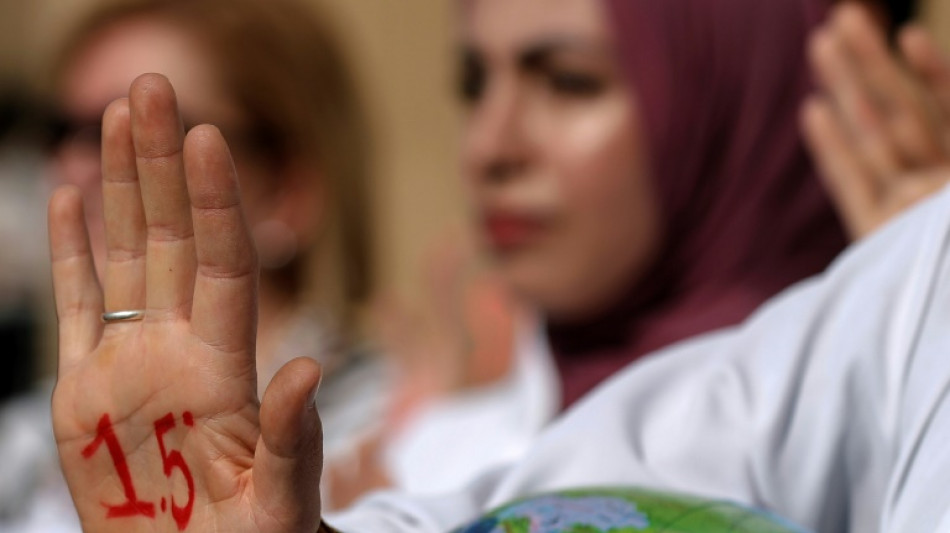
An informal coalition of "high ambition" countries has called for strong language on cutting emissions, moving away from planet-heating fossil fuels and to reaffirm the aspirational goal of limiting global warming to 1.5 degrees Celsius from pre-industrial levels.
Scientists say this is a far safer guardrail against catastrophic climate impacts, with the world currently far off track and heading for around 2.5C of warming under current commitments and plans.
Colombian Environment Minister Susana Muhamad said to be "viable" the climate talks would need both a loss and damage fund and a commitment to 1.5C.
Earlier, European Commission Vice President Frans Timmermans warned that if not enough was done to slash emissions and keep 1.5C alive, "there is no amount of money on this planet that will be able to address the misery that will occur through natural disasters, etc. that we're already seeing".
- 'Fragile' first -
A draft decision document on creating a specific loss and damage fund was published by the Egyptian presidency on Saturday.
It takes some language from three earlier proposals -- from the EU, Britain and G77 -- and appears to kick some of the thornier issues, particularly over the sources of funding, into next year.
"The draft decision on loss and damage finance offers hope to the vulnerable people that they will get help to recover from climate disasters and rebuild their lives," said Harjeet Singh, head of global political strategy at Climate Action Network International.
An agreement on loss and damage would mark a major shift for wealthier nations, which have long resisted the idea of loss and damage over fears of open-ended liability.
The EU has called for the fund to prioritise the most climate-vulnerable countries as recipients.
They also said the money should come from a "broad funder base" -- code for countries including China and Saudi Arabia that have become wealthier since they were listed as developing nations in 1992.
China's envoy Xie Zhenhua told reporters Saturday that the fund should be for all developing countries.
However, he added: "I hope that it could be provided to the fragile countries first."
(A.Lehmann--BBZ)