Trump administration takes steps to curb energy cost hikes / Photo: RONALDO SCHEMIDT - AFP/File

US President Donald Trump's administration scrambled Wednesday to rein in surging energy costs from war in the Middle East, temporarily waiving a century-old shipping law and easing Venezuela sanctions.
The moves came after oil prices rocketed following US-Israeli strikes on Iran on February 28. Tehran's retaliation brought commercial shipping through the Strait of Hormuz to a virtual halt, snarling energy supply chains.
Around a fifth of global crude oil and liquefied natural gas pass through the critical waterway during peacetime.
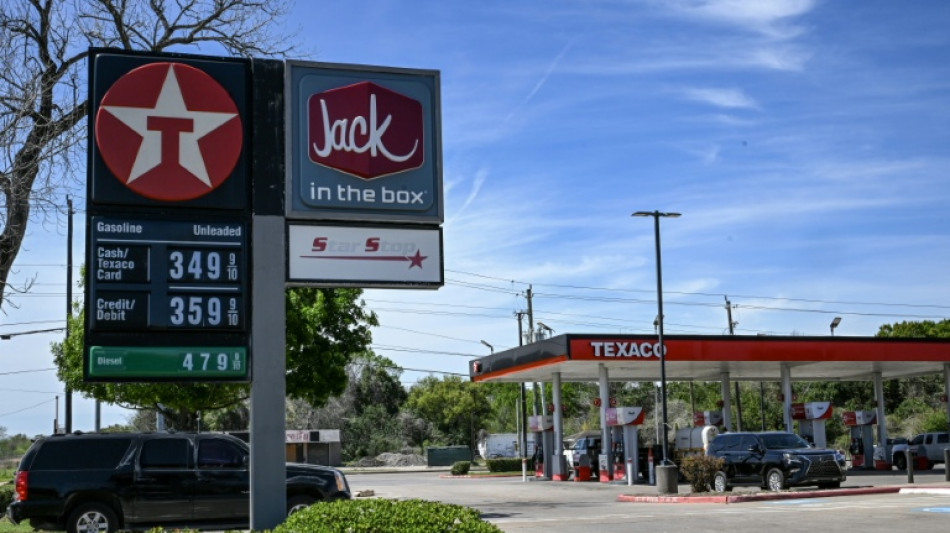
The disruptions have caused average US gasoline prices to jump by more than 27 percent since the start of the war, according to data from the AAA motor club.
This strains American household budgets further -- with consumers already grappling with high costs of living -- piling pressure on the Trump administration as key midterm elections approach.
For now, Trump's announcement of a 60-day Jones Act waiver would lift a ban on foreign-flagged vessels transporting cargo between US ports over this period.
The 1920 law was aimed at promoting American shipbuilding, but critics argue that it hampers free trade and has raised costs for consumers.
The move is "just another step to mitigate the short-term disruptions to the oil market as the US military continues meeting the objectives of Operation Epic Fury," said White House Press Secretary Karoline Leavitt in a statement, referring to the US campaign against Iran.
"This action will allow vital resources like oil, natural gas, fertilizer and coal to flow freely to US ports for 60 days," she added.
She vowed that the Trump administration "remains committed to continuing to strengthen our critical supply chains."
The US Treasury Department separately issued a license Wednesday to authorize certain transactions between established US entities and Venezuela's state-owned oil company PDVSA.
"This license will benefit both the United States and Venezuela, while supporting the global energy market by increasing the supply of available oil," said a Treasury spokesperson.
- Easing bottlenecks -
The Jones Act requires that cargo transported by water within the United States be moved on vessels that are US-built, US-owned and registered under the US flag.
Just a fraction of the world's tankers comply with the Jones Act, said Colin Grabow, an associate director at the libertarian Cato Institute.
"So this is a dramatic expansion in the number of ships that are able to be used" in transporting goods within the world's biggest economy, he told AFP, referring to Trump's temporary waiver.
He said it is nearly five times as expensive to build a medium-range tanker in the United States than in Asia, which could explain why there are not many such vessels globally.
Grabow believes the measure will bolster US supply chains, but warned that effects on prices could be limited if the war rages on.
"It can help mitigate some of the disruptions," he said. But moving forward, it could be less about reducing costs than "slowing the rate of increase" from disruptions.
Josh Lipsky of the Atlantic Council told AFP that the shipping law waiver "is unlikely to have a significant impact on global energy markets and gas prices."
"It's too small a move to sway the larger forces at play in the Gulf," he cautioned, even though it could help cool costs in the northeast or southwest.
"The 60-day decision as opposed to the 30 we expected may signal a longer conflict however," Lipsky added.
S&P Global analysts estimate that Jones Act deliveries can cost billions of dollars more than employing a foreign vessel.
(U.Gruber--BBZ)