UK PM Burnham unveils energy tax cut, tells ministers to cut living costs / Photo: JUSTIN TALLIS - AFP

Andy Burnham told the inaugural meeting of his cabinet Tuesday that he would lead a "cost-of-living government", after unveiling an energy tax cut on his first full day as prime minister.
Burnham, who replaced Keir Starmer in Downing Street on Monday, announced he was cutting value-added tax (VAT) on consumer electricity bills -- his first significant policy announcement as UK leader.
But a Starmer loyalist, one of several to be culled from ministerial positions by Burnham, questioned how the Labour government would fund the cut, suggesting the new premier's call for party unity may go unheeded.
From October 1, electricity bills will be VAT free, saving an average household around £45 ($61) a year, the government said in a statement.
In opening remarks to his cabinet in front of media before the private meeting, Burnham told ministers that they must give the public "a sense that help is coming".
"We need to be a cost-of-living government, getting that cost of living down, looking at all possible ways of doing that," he added.
But he also stressed "we've got to show fiscal discipline" and vowed to always "show how we're going to pay" for policies.
The tax cut will cost the government about £850 million ($1.143 billion) in the current UK financial year.
The government said it would be funded by cancelling Starmer's plan for a digital ID scheme that would have cost the taxpayer £1.8 billion.
But in a post on X, former minister Darren Jones said the ID program had been "unfunded".
"The government will have to set out how it will pay for its new policies at the budget," he wrote.
Burnham, parachuted into No. 10 by Labour MPs after they lost confidence in Starmer, insisted during the cabinet meeting that he would always "show how we're going to pay" for policies.
He is currently mulling rent control measures and caps to bus fares.
Burnham became Britain's seventh prime minister in just over a decade Monday and signalled a new left-ward direction for the Labour government during his first speech outside No. 10.
He pledged to re-industrialise the country, push through greater public control of utilities and build more public housing, vowing to unveil a 10-year-plan later this year.
Burnham also intends to decentralise power away from London to other cities and regions.
Despite vowing to end factionalism in Labour, one of his first acts as prime minister was to cull most of Starmer's supporters from his new 23-member cabinet.
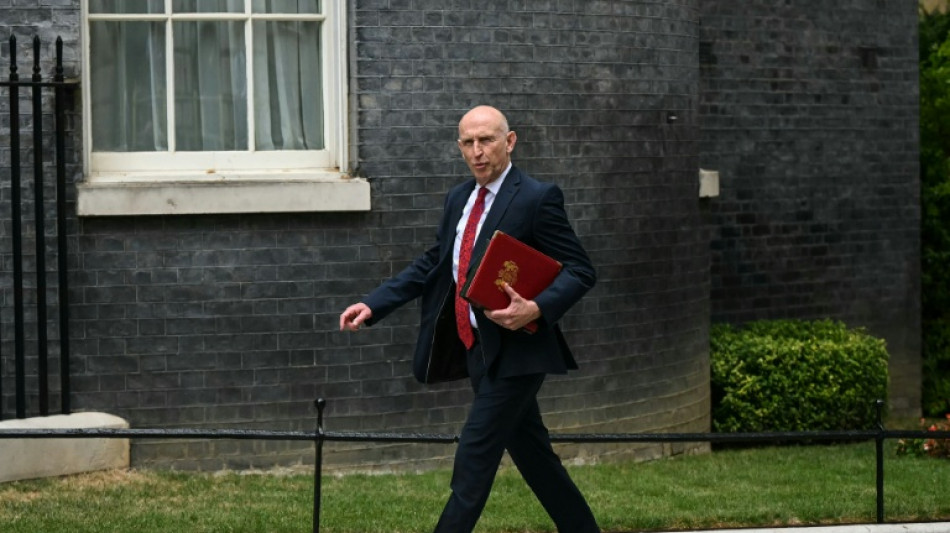
Rachel Reeves was axed as finance minister, replaced by John Healey, while David Lammy left his role as deputy prime minister, as Burnham promoted his own allies and reshuffled the existing pack.
Ed Miliband became foreign minister, Wes Streeting -- who abandoned plans to run against Burnham for the Labour leadership -- was named defence minister, and left-wing figurehead Angela Rayner returned to government.
The new cabinet has 12 women, and 11 men, although women have been cut from two of the top posts.
- Challenges -
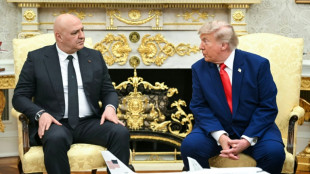
On Monday's busy afternoon, Burnham also held calls with numerous foreign leaders, including US President Donald Trump, Ukrainian President Volodymyr Zelensky and French leader Emmanuel Macron.
Burnham, a long-time critic of Starmer's more centrist approach to governing, only returned to parliament four weeks ago following a nine-year stint as Greater Manchester mayor.
Labour MPs hope his down-to-earth persona can stem support for the anti-immigrant Reform UK party, led by Nigel Farage, before the next general election, due in 2029.
But Burnham faces multiple challenges, not least an anaemic economy, high government borrowing costs, a ballooning welfare bill and irregular migrants arriving in small boats.
Unpredictable energy prices due to the US-Iran war and volatile relations with Washington under Trump also threaten to buffet his premiership.
Burnham, an MP between 2001 and 2017, has little room to manoeuvre amid high public debt and strict financial rules requiring him to balance government spending against tax revenue.
His swift appointment as Labour leader, and prime minister by virtue of Labour's huge parliamentary majority, came without him putting forward a clear plan for how he will achieve his aims.
Farage has questioned Burnham's mandate and called for a snap election.
(L.Kaufmann--BBZ)