Berliner Boersenzeitung - Trump vs. EU: A good deal?

EUR -
AED 4.172342
AFN 72.710612
ALL 94.168298
AMD 416.905528
ANG 2.034081
AOA 1042.371374
ARS 1678.31029
AUD 1.65118
AWG 2.044985
AZN 1.9286
BAM 1.953543
BBD 2.284331
BDT 139.388972
BGN 1.921014
BHD 0.427626
BIF 3379.668848
BMD 1.136103
BND 1.47142
BOB 7.830678
BRL 5.903261
BSD 1.134218
BTN 106.921597
BWP 15.47679
BYN 3.2276
BYR 22267.609445
BZD 2.280951
CAD 1.613709
CDF 2578.952433
CHF 0.920584
CLF 0.026563
CLP 1045.441695
CNY 7.729871
CNH 7.732513
COP 3916.883862
CRC 516.189873
CUC 1.136103
CUP 30.106717
CVE 110.133891
CZK 24.26945
DJF 201.972005
DKK 7.474919
DOP 66.832794
DZD 151.6401
EGP 56.247867
ERN 17.041538
ETB 178.882691
FJD 2.574516
FKP 0.863381
GBP 0.861603
GEL 2.999799
GGP 0.863381
GHS 12.745827
GIP 0.863381
GMD 82.374992
GNF 9937.954521
GTQ 8.645746
GYD 237.107734
HKD 8.909054
HNL 30.348649
HRK 7.534292
HTG 148.234877
HUF 354.840039
IDR 20421.556456
ILS 3.388909
IMP 0.863381
INR 107.521196
IQD 1485.701749
IRR 1562197.774025
ISK 144.001077
JEP 0.863381
JMD 178.747237
JOD 0.805487
JPY 183.755445
KES 147.17041
KGS 99.352152
KHR 4567.301578
KMF 493.068367
KPW 1022.492668
KRW 1758.908246
KWD 0.351795
KYD 0.945119
KZT 549.658668
LAK 25207.846413
LBP 101564.502763
LKR 382.246361
LRD 206.248102
LSL 18.781437
LTL 3.354616
LVL 0.687217
LYD 7.283548
MAD 10.696976
MDL 20.130894
MGA 4835.32959
MKD 61.665491
MMK 2385.286853
MNT 4071.590517
MOP 9.159416
MRU 45.047662
MUR 54.74872
MVR 17.55286
MWK 1966.720578
MXN 19.935202
MYR 4.662111
MZN 72.600692
NAD 18.781437
NGN 1563.41347
NIO 41.733012
NOK 11.244909
NPR 171.205307
NZD 2.016571
OMR 0.436833
PAB 1.133251
PEN 3.887705
PGK 4.976974
PHP 69.678275
PKR 315.645935
PLN 4.286572
PYG 6930.66674
QAR 4.141125
RON 5.233345
RSD 117.38096
RUB 85.43419
RWF 1666.621562
SAR 4.258129
SBD 9.147844
SCR 15.043431
SDG 681.661005
SEK 11.084614
SGD 1.473553
SHP 0.848215
SLE 28.17688
SLL 23823.506013
SOS 648.136161
SRD 42.399316
STD 23515.028438
STN 24.490031
SVC 9.924004
SYP 125.575795
SZL 18.780677
THB 38.010011
TJS 10.476812
TMT 3.976359
TND 3.337298
TOP 2.735463
TRY 52.964947
TTD 7.702898
TWD 36.180204
TZS 2975.379763
UAH 50.999382
UGX 4193.008418
USD 1.136103
UYU 45.466075
UZS 13613.03396
VES 705.239032
VND 29896.537885
VUV 136.128641
WST 3.155838
XAF 655.690086
XAG 0.020225
XAU 0.000285
XCD 3.070373
XCG 2.043977
XDR 0.815518
XOF 655.736242
XPF 119.331742
YER 271.102488
ZAR 18.803803
ZMK 10226.281982
ZMW 20.472108
ZWL 365.824549
  • CMSC

    -0.0190

    22.046

    -0.09%

  • JRI

    0.0100

    12.58

    +0.08%

  • GSK

    0.8000

    51.89

    +1.54%

  • BCE

    0.0000

    23.2

    0%

  • BP

    -0.1400

    37.72

    -0.37%

  • BTI

    1.0900

    62.48

    +1.74%

  • CMSD

    -0.0900

    21.93

    -0.41%

  • NGG

    0.5900

    83.42

    +0.71%

  • BCC

    2.1000

    79.76

    +2.63%

  • RBGPF

    0.0000

    61.3

    0%

  • RIO

    1.0800

    95.11

    +1.14%

  • VOD

    0.0500

    13.86

    +0.36%

  • RYCEF

    0.7000

    18.7

    +3.74%

  • RELX

    -0.2300

    30.92

    -0.74%

  • AZN

    2.6600

    185.68

    +1.43%


Trump vs. EU: A good deal?


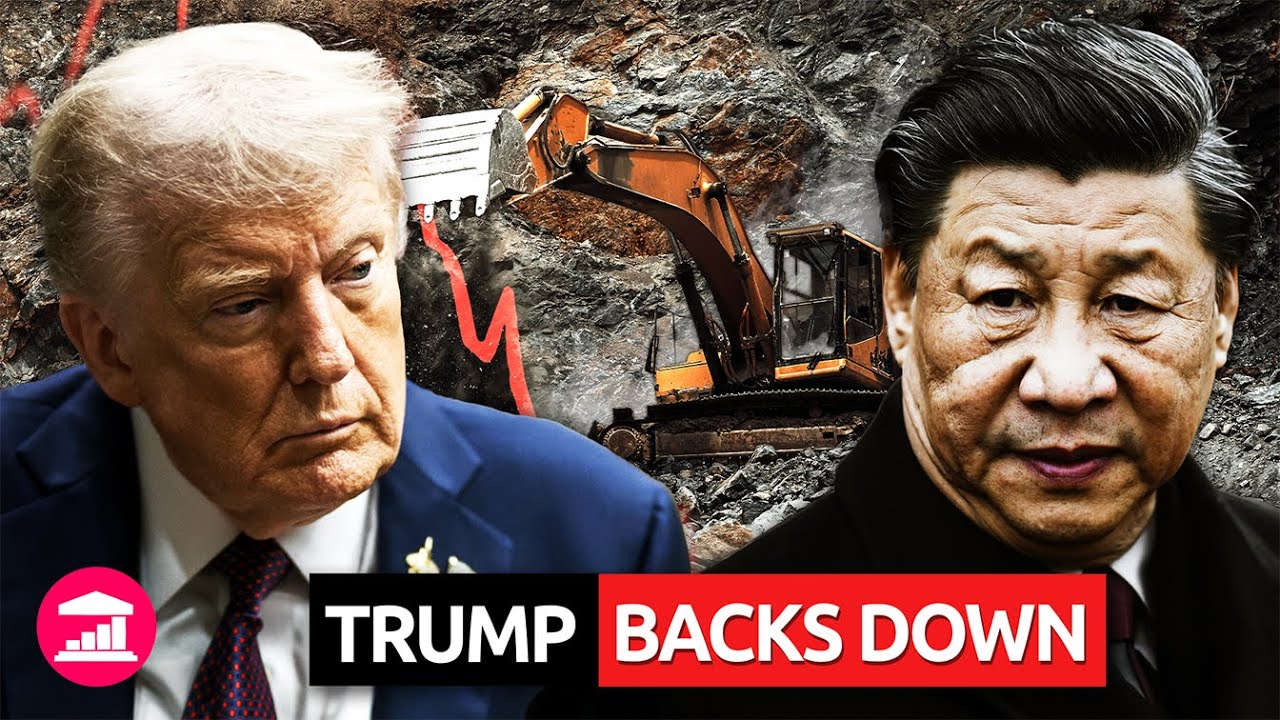
At the end of July 2025, US President Donald Trump and EU Commission President Ursula von der Leyen presented a transatlantic trade agreement at the Turnberry golf resort in Scotland, signalling a surprise agreement after months of escalating threats of punitive tariffs. At its heart is a 15% cap on almost all EU goods exported to the United States, while Brussels will in return scrap all tariffs on US industrial goods – a paradigm shift from the previous ‘zero tariff symmetry’.

In addition, the European Union has committed to purchasing US energy worth 750 billion dollars by 2028 and investing 600 billion dollars in American sites. These commitments are intended not only to improve the US trade balance, but also to reduce European dependence on third countries. Steel, aluminium and copper are exempt from the 15 per cent cap – here, surcharges of 50 per cent remain in place, which will hit traditional EU export industries particularly hard.

The legal framework for implementation is a presidential order signed on 31 July, which comes into force seven days later and adjusts the US Harmonised Tariff Schedule accordingly. Washington is selling the result as a ‘historic recalibration’ of trade relations; Brussels emphasises that it has averted an escalation of the announced 30% punitive tariffs and gained planning security.

But criticism in Europe is loud: German Chancellor Friedrich Merz warns of ‘considerable damage’ to competitiveness, while French Prime Minister François Bayrou speaks of a ‘dark day’ for industry. Economists expect many EU companies to have to choose between sacrificing margins and adjusting prices in the US – with potential inflationary and demand effects on both sides of the Atlantic.

In the medium term, the agreement is likely to cause massive shifts in supply chains: the US energy and defence sectors will benefit immediately, while European car and machine manufacturers will increasingly build up production capacities in North America – a trend that is already evident in current investment plans and reveals the complete incompetence of European politicians! However, before the package becomes legally binding, the 27 EU member states and the European Parliament must ‘still’ give their approval; several MEPs have announced a detailed review of the ‘asymmetrical agreement’.

Whether the agreement represents a stable new trade order or merely a respite depends on whether Brussels forces renegotiations – and whether Washington honours its commitments on market opening, investment and tariff reductions in the long term.