BCC
1.0400

Throughout the winter of 2025–26, the Islamic Republic of Iran has been shaken by its most extensive wave of civil unrest in decades. What began as a series of shopkeeper strikes in Tehran’s Grand Bazaar on 28 December 2025 quickly swelled into nationwide demonstrations. Anger over spiralling inflation, the collapse of the Iranian rial and subsidy reforms spilled into calls for political change. The movement spread rapidly through all 31 provinces, drawing in university students, bazaar traders and unemployed youth alike. Crowds took to the streets in at least 185 cities, chanting against the clerical establishment and sometimes waving the pre‑revolutionary lion‑and‑sun flag. Within days the crisis came to be seen as the greatest challenge to Iran’s theocratic leadership since the Woman, Life, Freedom uprising of 2022.
Economic grievances spark nationwide uprising
The immediate trigger for this unrest was an economic collapse that accelerated after a 12‑day war with Israel in June 2025. Iranian air defences, nuclear facilities and ballistic‑missile infrastructure were severely damaged during that conflict, and more than thirty senior officers of the Islamic Revolutionary Guard Corps were killed. The United States joined Israel in the strikes, and renewed sanctions from Washington and Europe further squeezed Tehran’s finances. By the end of 2025 the rial had lost over forty per cent of its value, inflation exceeded forty per cent and food prices outpaced wages. Fuel subsidies were slashed, and new pricing structures were announced for government‑subsidised gasoline. Merchants accustomed to supporting the regime suddenly faced empty shelves and desperate customers. When bazaaris closed their shops in protest, ordinary Iranians saw an opportunity to vent long‑simmering frustrations.
The unrest grew as labourers, teachers and university students joined demonstrations. Strikes shut down markets in dozens of cities and disrupted industrial facilities. Protesters lamented not only the cost‑of‑living crisis but also decades of repression and international isolation. Many participants were too young to remember the 2009 Green Movement yet were emboldened by the memory of the 2022 protests sparked by the death of Jina Mahsa Amini. The scale of this mobilisation quickly eclipsed previous rounds of unrest. Human‑rights monitors reported demonstrations in every province, with chants of “death to the dictator” echoing from Tehran to Tabriz. Video clips circulating before the government’s internet shutdown showed huge night‑time marches, women removing headscarves and groups toppling portraits of the Supreme Leader.
Government crackdown and communications blackout
Iranian authorities responded with a mixture of concessions and severe repression. In early January the government promised small monthly stipends of about US$7 to help cover basic foodstuffs. At the same time the annual budget proposal increased spending on security by nearly 150 per cent while raising wages by less than half the inflation rate. Security forces were mobilised across the country: units of the Revolutionary Guard, the regular military and the Basij militia were deployed to disperse crowds with tear gas, birdshot and live ammunition. Physicians described mass‑casualty conditions in hospitals, with gunshot wounds and shrapnel injuries overwhelming medical staff. Morgues in Tehran’s outskirts filled with hundreds of bodies; videos circulated showing forensic personnel cataloguing victims while bereaved families tried to identify relatives.
Determining an accurate death toll has been difficult. Britain’s foreign secretary told Parliament on 13 January that her government believed at least 2,000 people had been killed and feared the number could be higher. Human‑rights activists on the ground suggested that more than 2,400 deaths had been confirmed, and some Iranian sources claimed the figure might exceed 12,000. Government‑aligned outlets acknowledged injuries among police and Basij forces, but independent reports indicate casualty ratios heavily favouring the state’s violence. Thousands of demonstrators have been detained; Iran’s attorney general warned that participants would be treated as “enemies of God,” a charge carrying the death penalty.
On 8 January authorities instituted a near‑total internet and telephone blackout. Domestic mobile service was cut and international communications disrupted, with connectivity reportedly falling to about one per cent of ordinary levels. Even Starlink terminals smuggled into Iran by non‑governmental organisations were jammed. The blackout served two purposes: it hindered protesters’ ability to organise and prevented foreign observers from documenting the crackdown. Isolated pockets of connectivity persisted through illicit satellite links, but possession of such equipment was risky and punishable.
International dynamics and the U.S. response
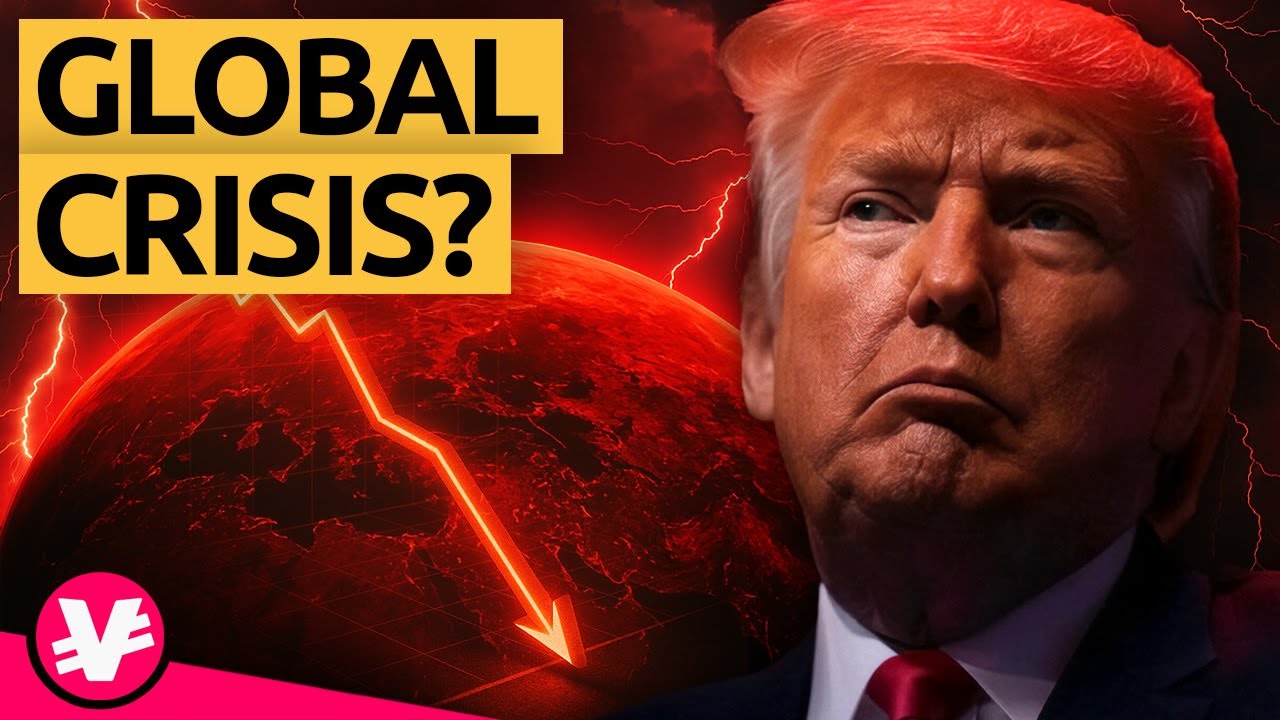
This domestic turmoil unfolded amid heightened regional tensions and drew immediate attention from abroad. The United States, which had participated in the June airstrikes on Iranian nuclear sites, signalled that it was closely watching the situation. President Donald Trump publicly warned that the United States would not stand idle if Iranian security forces carried out mass killings. In several statements and interviews he said that Washington was “locked and loaded,” promising to take “very strong action” and to hit Iran “very hard” if the authorities began executing protesters. He emphasised that such action would not involve a ground invasion but could include targeted strikes, cyber operations or other measures designed to pressure the regime. At one point the president wrote that Iran was on the cusp of freedom and assured Iranians that help was on the way. He later said he would speak to technology entrepreneurs about restoring internet access.
These pronouncements emboldened many demonstrators who saw U.S. support as a deterrent against an even bloodier crackdown. Analysts noted that some people may not have joined the protests without the belief that Washington would intervene. Critics warned that limiting American involvement to rhetoric could be perceived as betrayal. Behind the scenes Iranian officials reportedly contacted U.S. envoys, offering to discuss the nuclear dossier while conveying a different tone than their public defiance. The White House confirmed that the president had been briefed on a range of response options, including low‑level strikes, economic assistance and diplomatic engagement.
Tehran’s leaders responded with a combination of bellicose threats and guarded overtures. The foreign minister declared that Iran was prepared for war while still open to negotiations. The Supreme Leader blamed “vandals” manipulated by foreign powers and vowed that the Islamic Republic would not back down. Military commanders warned that any aggressor’s “hand would be cut off.” At the same time, Iran’s defence council issued a statement implying the country might adopt a more proactive defence doctrine, hinting at pre‑emptive strikes against perceived adversaries. Iran’s strategy of deterrence was already weakened; its proxy networks in Iraq, Lebanon and Syria had been eroded and its ballistic‑missile arsenal depleted during the previous summer’s war. Yet the Revolutionary Guard’s navy continued to harass U.S. naval assets in the Persian Gulf and repeatedly threatened to close the Strait of Hormuz, which would endanger global oil supplies.
Historical context and significance
The scale and intensity of the current uprising recall earlier episodes of mass dissent in Iran. The 2009 Green Movement and the 2019 fuel‑price protests exposed cracks in the Islamic Republic, but both were ultimately suppressed. The 2022 Woman, Life, Freedom protests, triggered by the death of a young woman in morality‑police custody, broadened the base of anti‑government activism. What distinguishes the 2025–26 uprising is the convergence of domestic hardship and external pressure: a collapsing economy, military defeat in the June war and the perception of humiliation at the hands of Israel and the United States. Moreover, there is no functioning reform movement inside the establishment; even politicians long considered moderates have defended the crackdown. The president elected in 2025, Masoud Pezeshkian, initially urged conciliation but soon joined hardliners in accusing foreign agents of fomenting unrest.
The protests also gained a monarchist dimension rarely seen in recent years. Chants praising Reza Pahlavi, the exiled son of Iran’s last shah, became common. Speaking from Europe, Pahlavi urged demonstrators to keep their movement disciplined and as large as possible, and he called on them to prepare to seize and hold city centres. While few Iranians appear to desire a restoration of monarchy, Pahlavi symbolises an alternative to clerical rule. Some analysts suggested his calls could mark a turning point, particularly if discontent grows within the security forces. So far, however, there have been no significant defections among the Revolutionary Guard, Basij or the regular army, all of which remain structured to ensure loyalty to the Supreme Leader.
Prospects for change and international implications
Experts are divided on the likely trajectory of the unrest. Many believe that, in the absence of external intervention or major splits within the security apparatus, the Islamic Republic has the means and the will to suppress the protests. Iran’s internal security forces were forged in the brutal Iran–Iraq War and have shown a high tolerance for violence. A near‑total blackout further obscures the regime’s actions and reduces pressure from international media. Some anticipate a return to the status quo after weeks of repression, while warning that underlying grievances—runaway inflation, unemployment, water shortages and corruption—make renewed unrest in the near future almost inevitable.
Others argue that the protests expose deep vulnerabilities. The broad, cross‑class nature of the movement, combined with the regime’s foreign policy failures and economic mismanagement, has eroded the legitimacy of clerical rule. Iran’s decision to prioritise security spending over social welfare has fuelled anger even among traditional supporters. Observers are watching for signs of fissures within the elite and the security apparatus. Should senior commanders break ranks or mass defections occur, a negotiated transition or even a collapse of the regime becomes conceivable. In such a scenario the Revolutionary Guard could attempt to consolidate power, potentially working with hardline clerics to maintain some form of the Islamic Republic. Alternatively, a power vacuum could lead to violent struggles among rival factions, with profound implications for regional stability and global energy markets.
For the United States and other regional actors the stakes are high. Gulf monarchies, though privately relieved at the prospect of a weakened Iranian adversary, fear the contagion of mass protests. Israel regards the potential downfall of the Ayatollah as strategically advantageous but worries about the security of Iran’s missile and nuclear stockpiles. Western governments must weigh the moral imperative of supporting popular demands for freedom against the risks of military escalation and wider conflict. Any U.S. intervention would almost certainly prompt Iranian retaliation against American assets and allies in the Middle East. Iranian officials have signalled that U.S. bases, shipping lanes and global energy supplies could be targeted if Washington acts.
Conclusion and Future
Iran’s ongoing unrest is rooted in a convergence of economic desperation, political repression and strategic weakness. The demonstrations that began as a response to rising prices have evolved into a nationwide uprising against clerical rule. The regime has responded with lethal force and communications blackouts, while offering only minor economic relief. Internationally, the crisis has been inflamed by U.S. warnings of intervention and by Iran’s threats of retaliation. Whether this movement will lead to meaningful change depends on factors both inside and outside Iran: the resilience of the protesters, the cohesion of the security forces and the willingness of foreign powers to act. What is clear is that the Islamic Republic faces a level of dissent and external pressure unprecedented in recent years, and the outcome will shape not only Iran’s future but also the dynamics of the wider Middle East.