RELX
0.0100

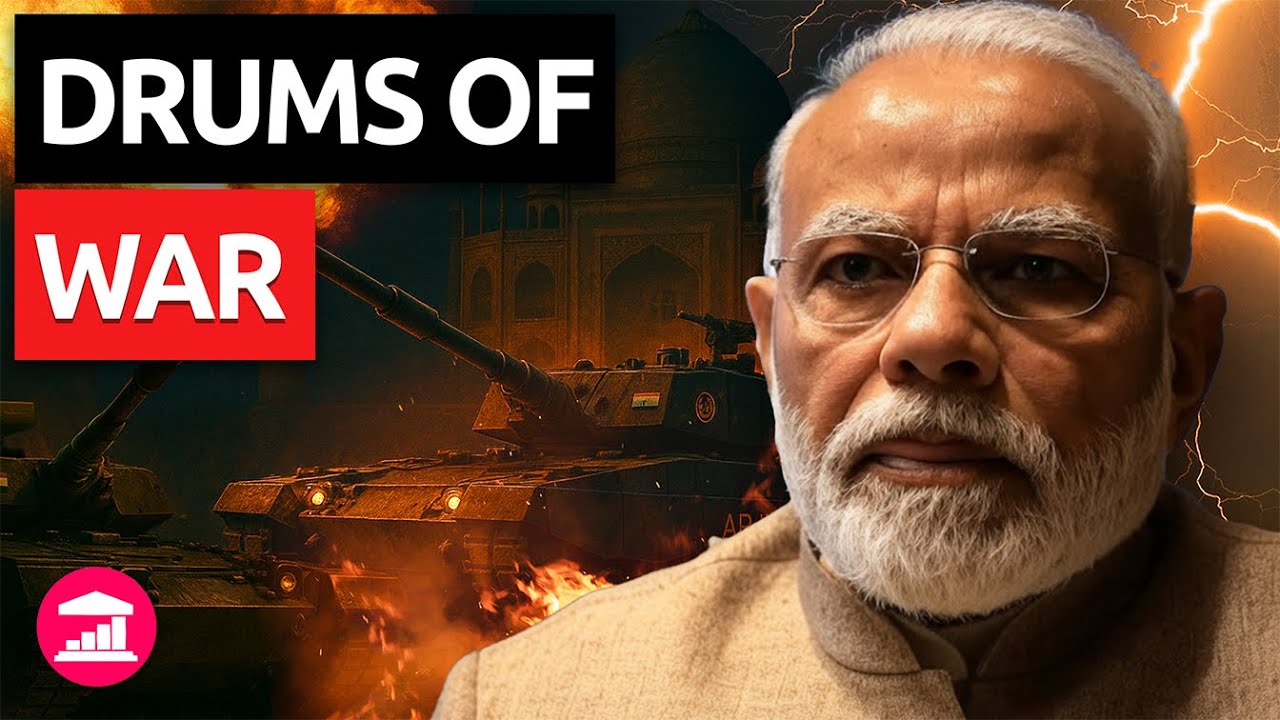
When Washington decided to double tariffs on Indian goods in mid‑2025, many analysts predicted a serious blow to New Delhi’s export‑led ambitions. The new duties – raising effective rates to 50 % and applying to a broad range of merchandise – were justified by the United States as a response to India’s purchases of discounted Russian crude and long‑standing trade imbalances.
Yet the effect so far has been counter‑intuitive. India has retained its position as one of the world’s fastest‑growing major economies. Provisional figures show gross domestic product expanding at an annualised 7.8 % in the April–June 2025 quarter, the fastest in five quarters and well above market forecasts. Gross value added, regarded as a better measure of underlying activity, grew 7.6 %, while private consumption – which accounts for nearly 60 % of output – rose 7 %. These gains have encouraged officials to predict full‑year growth close to 7 %, and the statistics office now projects 7.4 % for the 2025/26 fiscal year.
Trade tensions and political rhetoric
The tariff escalation marks the sharpest turn in U.S.–India commerce since the Trump administration’s early complaints about India’s high import barriers. What began as a push to narrow America’s trade deficit quickly widened into a broader confrontation: Washington demanded easier market access, higher visa fees and curbs on H‑1B immigration, while New Delhi defended its right to buy Russian oil and declined to join Western sanctions. When U.S. officials linked Moscow’s invasion of Ukraine with bilateral trade talks, they imposed an extra 25‑percentage‑point surcharge over the existing 25 % tariff. President Donald Trump used social media to label India a “dead economy,” arguing that the United States did little business with a nation he said was overly protected. Such rhetoric belied the depth of bilateral ties: India remains a key defence partner for Washington, and the two countries signed a ten‑year defence cooperation framework last year.
Why India’s growth holds up
Several factors explain why punitive tariffs have not derailed growth. First, India’s economy is driven far more by domestic demand than by exports. Private consumption has been buoyed by rural spending, demand for durable goods and tax relief measures. Government spending rose 7.4 % in the June quarter after contracting in the previous period. The manufacturing sector expanded 7.7 %, a sharp improvement on the previous quarter, and services – spanning trade, hotels, transport and finance – posted a robust 9.3 % increase. Agriculture also contributed, growing 3.7 % after a strong sowing season. Collectively, these drivers more than offset the early effects of higher U.S. duties.
Second, Prime Minister Narendra Modi’s government has pursued reforms that underpin domestic resilience. Officials cut personal income taxes and announced forthcoming consumption‑tax reductions to stimulate spending. Labour and consumer‑tax overhauls came into force in 2025, improving compliance and investment conditions. Authorities are also front‑loading capital expenditure on infrastructure and offering targeted support to sectors most exposed to foreign tariffs, such as textiles and leather. These measures, along with monetary policy that keeps real interest rates supportive, have helped sustain household and corporate confidence.
Third, India has diversified its trade relationships. While U.S. tariffs threaten around 55 % of the country’s $87 billion of goods exports to America, exporters have been quick to court alternative markets. New Delhi is negotiating free‑trade agreements with the United Kingdom and the European Union and has concluded pacts with Australia and the United Arab Emirates. Bilateral deals in South‑East Asia and Latin America have opened new routes for manufacturers of automobiles, pharmaceuticals and electronics. Even where tariffs bite, such as in Mexico – which recently raised import duties on non‑FTA partners to up to 50 % – Indian negotiators are pursuing country‑specific exemptions. The government has also stepped up outreach to African and Middle‑Eastern economies, leveraging its successful Group‑of‑Twenty presidency to deepen investment ties.
The risks ahead
Economists still warn that the full impact of the U.S. tariffs has yet to be felt. Exporter groups estimate that 50 % duties could shave 0.6 to 0.8 percentage points off India’s growth over a year. With nominal GDP growth already slowing to 8.8 % in the June quarter – its lowest in several years – corporate profits and tax revenues may come under pressure. Currency markets have reflected these concerns: the rupee touched a record low against the dollar following the tariff hikes, while equity indices sagged. There are also structural challenges. The European Union’s Carbon Border Adjustment Mechanism, set for full implementation in 2026, will impose new reporting obligations and costs on steel, aluminium and cement exporters, potentially eroding their competitiveness. Meanwhile, Mexico’s broad tariff increases threaten to disrupt a fast‑growing destination for Indian automobiles and components.
Another concern is private investment. Capital expenditure rose 7.8 % in the June quarter, but analysts say many firms are deferring large projects pending clarity on global trade rules. Although official forecasts point to 7 % annual growth, the Reserve Bank of India expects a moderation as the tariffs take full effect and global demand slows. To sustain momentum, India will need to accelerate structural reforms, improve labour‑market flexibility and expand production incentives under its “Make in India” programme.
A contest of narratives
The commercial clash between Washington and New Delhi is as much about narrative as economics. U.S. officials portray the tariffs as leverage to obtain market access and influence India’s foreign policy. Indian leaders characterise them as an unfair attempt to “crush” a rising power, and they point to the country’s 1.4 billion‑strong market and digital‑economy boom as evidence of enduring strength. In truth, the clash underscores a shifting global order. As China’s growth slows, investors and governments are reassessing supply‑chain dependence and seeking alternatives. India’s ability to deliver near‑8 % growth despite trade headwinds highlights its potential as a manufacturing and services hub. Yet the dispute also exposes vulnerabilities: a heavy reliance on imported oil, a still‑nascent export base and an under‑developed logistics system.
For now, India’s economy is soaring even as one of its most important partners raises barriers. Whether this resilience can be sustained will depend on how quickly tariffs bite, how successfully New Delhi diversifies its trading partners and whether domestic reforms continue apace. The coming year will reveal whether the world’s fastest‑growing major economy can stay on course amid rougher commercial seas.