VOD
0.1300

Economic growth and environmental protection: a balancing act with potential for the future?
At a time when climate change and environmental degradation are among the most pressing global challenges, many countries are faced with the question of how to grow economically while remaining environmentally friendly. This challenge requires innovative approaches and a reorientation of traditional economic practices.
Sustainable economic management is the key:
Sustainable economic management means using resources in such a way that the needs of the present generation are met without compromising the ability of future generations to meet their own needs. This includes integrating environmental aspects into all economic decisions. Companies and governments must consider environmental sustainability an integral part of their operations, not an added cost factor.
Promoting green technologies:
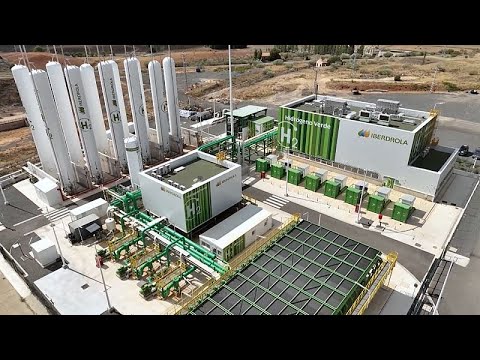
Technological progress plays a crucial role in reconciling economic growth and environmental protection. Investing in renewable energies such as wind, solar and hydroelectric power not only reduces greenhouse gas emissions, but also creates new jobs and industries. Countries that embrace green technologies early on can gain a competitive advantage and reduce their dependence on fossil fuels.
Implement a circular economy:
The traditional linear economic model – produce, consume, dispose – leads to resource waste and pollution. The circular economy, on the other hand, aims to keep materials and products in use for as long as possible, minimising waste and conserving resources. By recycling, reusing and repairing, countries can both ease the burden on the environment and reap economic benefits.
Setting the political framework:
Governments play a crucial role in creating incentives for environmentally friendly economic activity. This can be done by providing tax breaks for sustainable companies, investing in green infrastructure or setting stricter environmental standards. A prominent example is carbon pricing, which incentivises companies to reduce their emissions and invest in environmentally friendly alternatives.
Promoting education and awareness:
A shift towards a sustainable economy also requires a change in the way society thinks. Education programmes can raise awareness of environmental issues and empower the next generation to make sustainable choices. Environmentally conscious consumers can urge companies to adopt more sustainable practices.
Strengthen international cooperation:
To effectively address global environmental issues, cooperation between countries is essential. International agreements such as the Paris Climate Accord set targets for reducing greenhouse gas emissions and promote the exchange of technologies and knowledge. Through joint efforts, countries can both benefit economically and contribute to protecting the planet.
Conclusion:
reconciling economic growth and environmental protection is not an impossible task, but a necessity for a sustainable future. By promoting green technologies, implementing the circular economy, taking appropriate policy measures and cooperating internationally, countries can embark on a path that ensures both economic prosperity and the preservation of our environment. It is up to governments, businesses and individuals to actively shape this change.