Berliner Boersenzeitung - Australian rainforests no longer a carbon sink: study

EUR -
AED 4.112593
AFN 71.669138
ALL 90.788645
AMD 403.584889
ANG 2.004261
AOA 1026.886761
ARS 1730.125816
AUD 1.626967
AWG 2.018499
AZN 1.898968
BAM 1.953851
BBD 2.257938
BDT 139.630746
BGN 1.957279
BHD 0.423174
BIF 3350.228885
BMD 1.119833
BND 1.431154
BOB 13.536379
BRL 6.164349
BSD 1.121082
BTN 105.855122
BWP 15.358546
BYN 3.34486
BYR 21948.730437
BZD 2.254631
CAD 1.572884
CDF 2592.413635
CHF 0.91398
CLF 0.027825
CLP 1095.106913
CNY 7.489999
CNH 7.464897
COP 3625.58312
CRC 508.388442
CUC 1.119833
CUP 26.904807
CVE 110.151702
CZK 24.350217
DJF 199.630907
DKK 7.474383
DOP 67.322258
DZD 152.570958
EGP 60.270991
ERN 16.797498
ETB 183.994359
FJD 2.531983
FKP 0.830529
GBP 0.834091
GEL 2.917144
GGP 0.830529
GHS 13.076842
GIP 0.830529
GMD 83.428936
GNF 9929.875211
GTQ 8.567188
GYD 234.883652
HKD 8.775069
HNL 30.130681
HRK 7.580162
HTG 146.922162
HUF 364.716191
IDR 20314.89382
ILS 3.59355
IMP 0.830529
INR 105.468691
IQD 1699.489915
IRR 2117999.855204
ISK 136.799392
JEP 0.830529
JMD 177.81108
JOD 0.793902
JPY 176.727036
KES 145.477209
KGS 97.928631
KHR 4561.450846
KMF 493.84599
KPW 1007.849824
KRW 1523.141376
KWD 0.347775
KYD 0.934256
KZT 504.060546
LAK 25230.499556
LBP 100678.36257
LKR 372.693319
LRD 190.577384
LSL 18.370876
LTL 3.306576
LVL 0.677376
LYD 7.176843
MAD 10.925007
MDL 20.043027
MGA 5082.885427
MKD 61.549404
MMK 2351.596988
MNT 4033.608062
MOP 9.058585
MRU 45.290427
MUR 52.665738
MVR 17.307015
MWK 1943.943937
MXN 21.013656
MYR 4.54596
MZN 71.568673
NAD 18.371532
NGN 1505.481108
NIO 41.257932
NOK 10.448884
NPR 169.371573
NZD 2.013701
OMR 0.430574
PAB 1.121072
PEN 3.861449
PGK 5.106861
PHP 70.608858
PKR 310.053613
PLN 4.40375
PYG 6907.111508
QAR 4.097785
RON 5.336121
RSD 117.64746
RUB 91.267205
RWF 1651.338367
SAR 4.203464
SBD 9.016581
SCR 15.530541
SDG 673.57461
SEK 11.01693
SGD 1.433806
SHP 0.834886
SLE 25.654803
SLL 23482.34691
SOS 640.655351
SRD 42.057597
STD 23178.286007
STN 24.475372
SVC 9.809086
SYP 14560.070726
SZL 18.364521
THB 37.54073
TJS 10.341648
TMT 3.930614
TND 3.340464
TOP 2.696289
TRY 56.152239
TTD 7.592326
TWD 36.884021
TZS 2966.696034
UAH 50.924158
UGX 4534.437294
USD 1.119833
UYU 45.154765
UZS 13377.539063
VES 1000.872181
VND 28676.1283
VUV 133.835028
WST 3.111473
XAF 655.957
XAG 0.021762
XAU 0.000276719297
XCD 3.026405
XCG 2.020367
XDR 0.79178
XOF 655.957
XPF 119.331742
YER 264.476607
ZAR 18.50484
ZMK 10079.847437
ZMW 22.729129
ZWL 360.585829
SSP 6433.66131
MXV 2.364121
  • CMSD

    -0.1200

    19.81

    -0.61%

  • JRI

    0.0000

    10.77

    0%

  • BCC

    -1.8200

    74.15

    -2.45%

  • CMSC

    -0.2228

    19.53

    -1.14%

  • BCE

    0.2000

    20.34

    +0.98%

  • RIO

    0.0100

    94.17

    +0.01%

  • AZN

    -2.7400

    161.47

    -1.7%

  • GSK

    -1.1800

    48.17

    -2.45%

  • RBGPF

    0.0000

    65

    0%

  • NGG

    0.8800

    75.82

    +1.16%

  • RYCEF

    -0.7300

    19.08

    -3.83%

  • BTI

    -0.4500

    54.4

    -0.83%

  • BP

    0.4700

    43.99

    +1.07%

  • RELX

    -0.0600

    33.18

    -0.18%

  • VOD

    -0.1800

    16.15

    -1.11%

Australian rainforests no longer a carbon sink: study
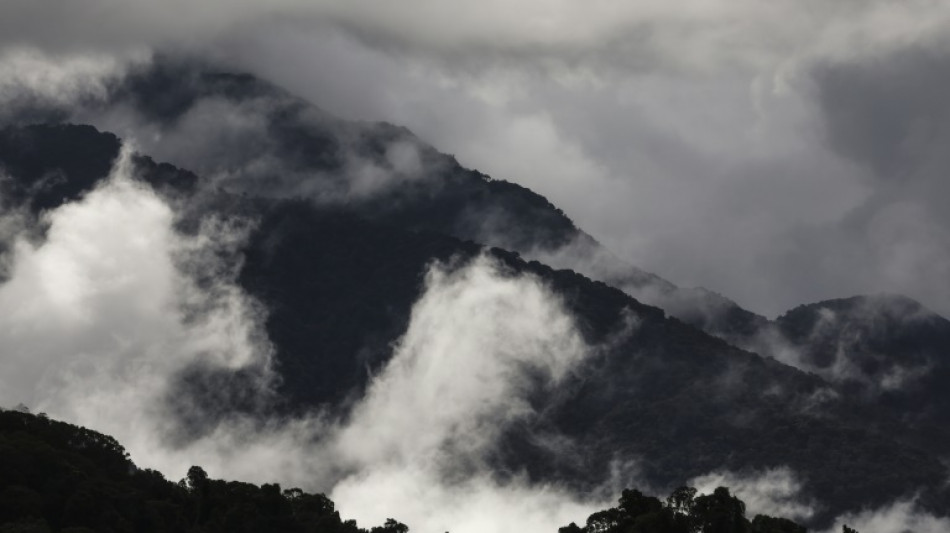
Australian rainforests no longer a carbon sink: study / Photo: DAVID GRAY - AFP

Australian rainforests no longer a carbon sink: study

Australia's tropical rainforests are among the first in the world to start leaking more carbon dioxide than they absorb, scientists said Thursday as they linked the worrying trend to climate change.

Text size:

The world's rainforests are typically thought of as crucial "carbon sinks" -- sucking huge quantities of planet-heating emissions from the atmosphere.

But new research has found rainforests in Australia's northern tropics have become net carbon emitters, "the first globally to show this response to climate change".

"Forests help to curb the worst effects of climate change by absorbing some of the carbon dioxide released by burning fossil fuels," said lead author Hannah Carle, from Western Sydney University.

"But our work shows this is under threat."

The researchers pored through records charting the growth of Queensland's rainforests over almost 50 years.

Extreme temperatures and severe droughts linked to climate change were making it harder for trees to grow, they found.

Trees store carbon dioxide in their trunks and branches as they grow but release the gas into the atmosphere when they die.

"Tropical rainforests are among the most carbon-rich ecosystems on the planet," said Carle.

"The change our study describes is largely due to increased tree mortality driven by climate change, including increasingly extreme temperatures, atmospheric dryness and drought.

"Regrettably, the associated increase in carbon losses to the atmosphere has not been offset by increased tree growth."

Co-author Adrienne Nicotra said it "remains to be seen whether Australian tropical forests are a harbinger for other tropical forests globally".

But the study, published in peer-reviewed journal Nature, suggested there was "the potential for a similar response to climate change" in other rainforests around the world.

"The rainforest sites at the heart of this research provide unusually long-term and high-resolution data on forest health through time," said Nicotra, from Australian National University.

"We need to pay attention to that data."

Despite its growing vulnerability to climate-linked natural disasters, Australia remains one of the world's biggest exporters of gas and thermal coal.

Australia's carbon dioxide emissions per person are among the highest in the world, World Bank figures show.

Global emissions have been rising but need to almost halve by the end of the decade to limit warming to safer levels agreed under the 2015 Paris climate agreement.

(L.Kaufmann--BBZ)