Japanese Firms Pivot to Alternative Materials and Markets Amid China Diplomatic Rift

Japanese corporations are actively mitigating the economic impact of prolonged diplomatic tensions with China by engineering alternative industrial materials and shifting tourism strategies. Following Beijing’s tightening of rare earth exports and travel advisories, firms like Kyocera and Sumitomo Electric are accelerating the adoption of substitute resources, while retailers bolster VIP programs to offset a sharp decline in Chinese tourist spending.
Japanese corporations are actively engineering alternative industrial materials and diversifying revenue streams to mitigate the economic impact of prolonged diplomatic tensions with China. Following Beijing’s tightening of rare earth exports and the issuance of travel advisories, major firms including Kyocera Corp. and Sumitomo Electric Industries Ltd. are accelerating the adoption of substitute resources, while retailers bolster high-value customer programs to offset a sharp decline in Chinese tourist spending.
The strategic pivot follows remarks made by Prime Minister Sanae Takaichi regarding Japan’s response to a potential contingency in Taiwan, which angered Beijing. In retaliation, the Chinese government imposed stricter export restrictions on rare earths and rare metals to Japan and advised its citizens against traveling to the country. The initial impact was severe, prompting Tokyo and industry leaders to seek immediate coping mechanisms for supply constraints and lost tourism revenue.
One critical material affected by these measures is tungsten, a metal essential for manufacturing parts in the automotive, semiconductor, and aircraft industries. China dominates the global market, accounting for approximately 80 percent of tungsten production. According to data from China’s General Administration of Customs, Chinese exports of tungsten-related products to Japan plummeted by more than 80 percent year-on-year during the first six months of 2026.
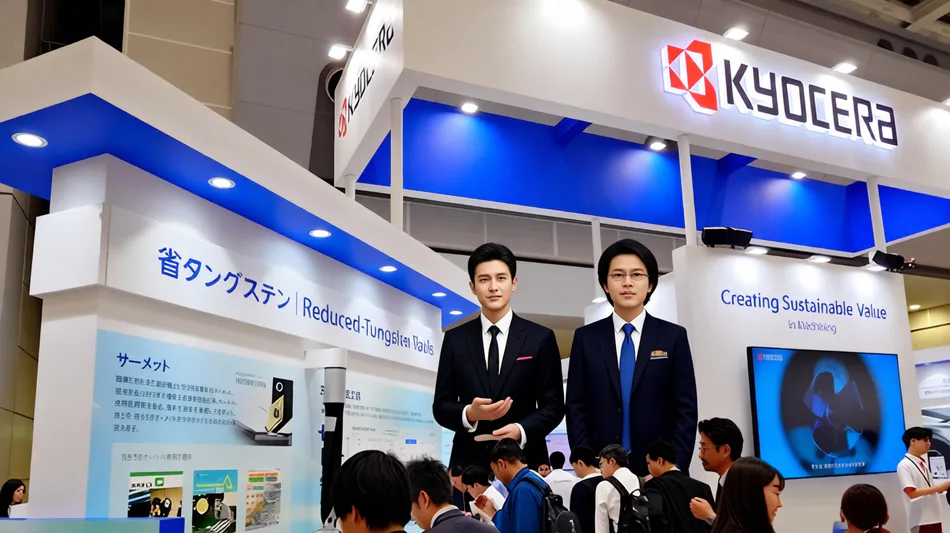
In response, manufacturers are showcasing technologies that reduce reliance on the metal. At the Japan International Machine Tool Fair held at Tokyo Big Sight in late October, products designed to minimize tungsten usage drew significant attention. A representative from Osaka-based Dijet Industrial Co., which displayed tools made primarily from titanium, noted that the vast majority of booth visitors were interested in these alternatives and expressed a desire to test them.
Major industrial players have expanded their lineups of composite tools. Sumitomo Electric and Kyocera have developed tools combining titanium and ceramics. While these materials present drawbacks compared to tungsten, such as increased susceptibility to chipping, the companies report having made technical improvements to address these weaknesses.
Other sectors face different challenges. Himeji Denshi Co., a magnet manufacturer based in Hyogo Prefecture, has been unable to produce highly heat-resistant magnets due to the inability to import materials containing samarium, a rare earth element. President Shigeaki Amishima stated that the company has asked customers to switch to neodymium magnets, asserting there is no performance issue for applications such as home appliances.
Supply chain adjustments are also underway for other critical elements. Sumitomo Metal Mining Co. plans to increase production capacity for scandium by approximately 20 percent by the end of March. The company recovers scandium from byproducts remaining after nickel and cobalt ores are refined in the Philippines, then processes it into products at a refinery in Harima, Hyogo Prefecture, and other locations. Sumitomo Metal intends to upgrade equipment and increase staffing at the refinery to enhance output.
Additionally, JX Advanced Metals Corp. began a joint study in October with a U.S. chemical maker regarding entry into rare earth refining in Australia and the United States. The company will determine by the end of 2027 whether the venture is commercially viable.
Beyond industrial supplies, Japanese businesses are looking overseas to compensate for the decline in Chinese tourists and their spending. According to the Japan National Tourism Organization, Japan received 30.73 million foreign visitors during the first nine months of 2026, a decrease of 2.9 percent from the previous year. Arrivals from China plunged by 55.5 percent, but growth from other markets helped reduce the overall decline. Visitor numbers from South Korea increased by 21.6 percent, and those from Taiwan rose by 19.1 percent.
A Japan Tourism Agency official stated that the government will steadily build a base of repeat visitors through targeted outreach to South Korea and Taiwan.
The retail sector has also felt the pressure. Department stores have long counted Chinese shoppers among their most valued customers. At Hankyu Hanshin Department Stores Inc., the number of Chinese customers fell by about 30 percent year-on-year between April and September. However, this decline was offset by an increase in high-spending customers enrolled in the company’s VIP membership program.
With membership exceeding 60,000, the company has maintained close contact with these individuals to encourage repeat purchases. Duty-free sales rose 21 percent year-on-year during the April-September period. President Toshihiko Yamaguchi said the company will roll out VIP outreach to other countries as well.
The ongoing adjustments highlight a broader shift in how Japanese industry and commerce are adapting to geopolitical friction, moving away from reliance on Chinese supplies and visitors toward diversified global partnerships and alternative technological solutions.
(Y.Yildiz--BBZ)