RBGPF
-0.8200

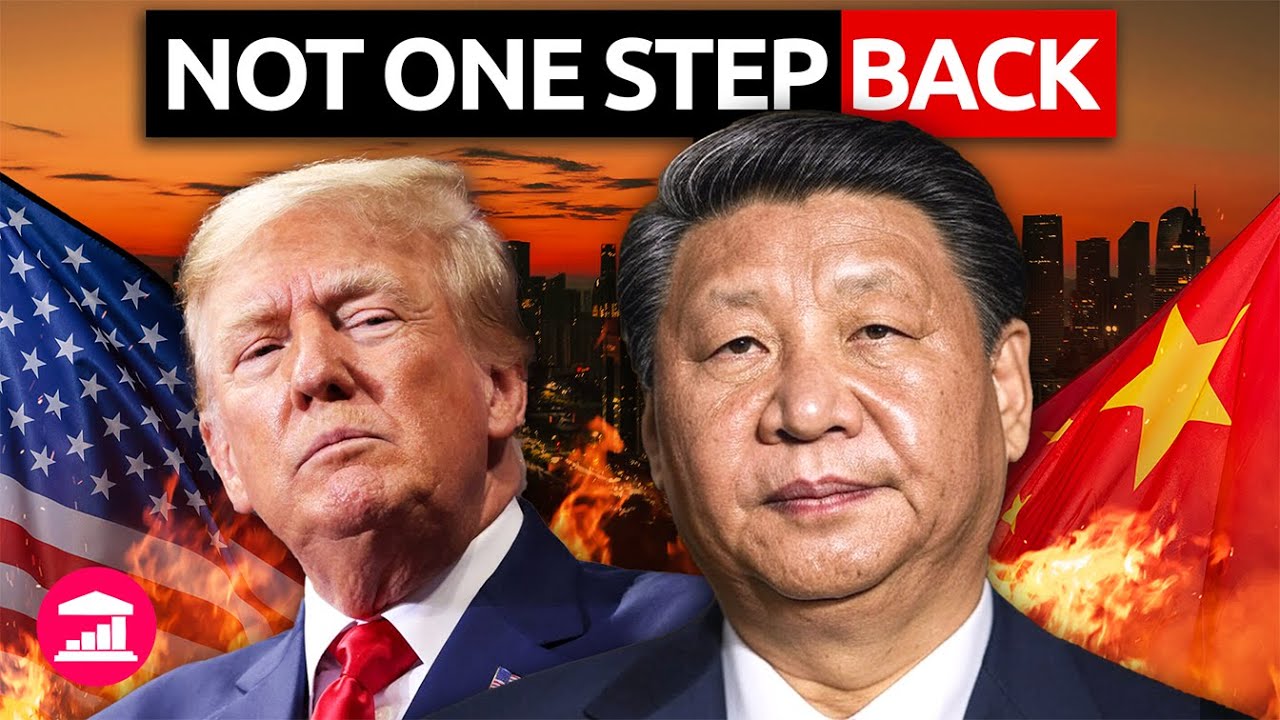
In the evolving landscape of global politics, the competition between the United States and China for influence and control has become increasingly pronounced. This rivalry is not confined to their own borders but extends to regions across the world, including Latin America. Peru, a country rich in resources and strategically located on the Pacific coast, has found itself at the center of this geopolitical tug-of-war. Far from being a passive player, Peru has been actively engaging with both superpowers, leveraging its position to advance its own interests and secure its place in the new world order.
Peru's Strategic Importance
Peru's strategic importance is underscored by its vast natural resources, including significant deposits of copper, gold, and silver, which are crucial for global industries. Its location on the Pacific coast makes it a key gateway for trade between Asia and Latin America. Moreover, Peru's active participation in regional organizations like the Pacific Alliance and its hosting of international events like the APEC summit highlight its growing influence in the region.
Strengthening Ties with China
China has been steadily increasing its presence in Peru, particularly through investments in the mining and energy sectors. The construction of the Chancay mega-port, a project led by Chinese state-owned companies, is set to transform Peru into a major trade hub between Asia and Latin America. This port is expected to significantly reduce shipping times and costs, thereby boosting Peru's economy and enhancing its role in global trade.
Deepening Relations with the USA
The United States, a long-standing partner of Peru, has also been actively engaging with the country. The Peru-United States Trade Promotion Agreement, which came into effect in 2009, has facilitated trade and investment between the two nations. Additionally, the USA's Americas Partnership for Economic Prosperity aims to promote economic competitiveness in the region, including Peru. However, the USA has also expressed concerns about China's growing influence in Peru and other Latin American countries, viewing it as a potential threat to its own interests.
Navigating the Superpower Rivalry
Peru has been carefully navigating the competition between the USA and China, striving to maintain good relations with both while advancing its own interests. By signing free trade agreements with both powers and welcoming investments from both, Peru has positioned itself as a neutral player in this geopolitical rivalry. Moreover, Peru's active participation in regional organizations like the Pacific Alliance demonstrates its commitment to regional cooperation and integration, which can serve as a counterbalance to the influence of external powers.
Challenges and Risks
However, Peru's strategy is not without risks. The country must carefully manage its relations with both the USA and China to avoid becoming overly dependent on either. Additionally, as the competition between the two powers intensifies, Peru may find itself caught in the crossfire, facing pressure to choose sides. Nevertheless, Peru's pragmatic approach and its focus on regional cooperation suggest that it is well-positioned to navigate these challenges and secure its place in the new world order.
Conclusion of all
In conclusion, Peru's strategic importance and its proactive engagement with both the United States and China have positioned it as a key player in the new world order. By leveraging its resources, location, and regional influence, Peru has managed to navigate the competition between the two superpowers, advancing its own interests while maintaining a delicate balance. As the global landscape continues to evolve, Peru's role is likely to become even more significant, underscoring the importance of its pragmatic and forward-looking approach.