Berliner Boersenzeitung - Why China props up Putin

EUR -
AED 4.186669
AFN 72.960328
ALL 94.255884
AMD 419.657752
ANG 2.041067
AOA 1045.383602
ARS 1680.892093
AUD 1.651929
AWG 2.052008
AZN 1.913325
BAM 1.955421
BBD 2.296555
BDT 140.252845
BGN 1.927611
BHD 0.429917
BIF 3386.544306
BMD 1.140004
BND 1.475414
BOB 7.879785
BRL 5.913311
BSD 1.140279
BTN 107.024401
BWP 15.496679
BYN 3.30706
BYR 22344.083799
BZD 2.293216
CAD 1.618424
CDF 2587.80951
CHF 0.921923
CLF 0.026713
CLP 1051.357438
CNY 7.756418
CNH 7.755346
COP 3917.282691
CRC 517.699764
CUC 1.140004
CUP 30.210113
CVE 110.243171
CZK 24.262144
DJF 203.0587
DKK 7.474626
DOP 66.997028
DZD 151.905131
EGP 56.438305
ERN 17.100064
ETB 183.840968
FJD 2.583363
FKP 0.862661
GBP 0.863365
GEL 3.015325
GGP 0.862661
GHS 12.857018
GIP 0.862661
GMD 83.22065
GNF 9991.065557
GTQ 8.699316
GYD 238.643215
HKD 8.939771
HNL 30.509093
HRK 7.528582
HTG 149.031145
HUF 353.84878
IDR 20329.696244
ILS 3.42235
IMP 0.862661
INR 107.588075
IQD 1493.710792
IRR 1567562.878891
ISK 144.005292
JEP 0.862661
JMD 179.585229
JOD 0.808237
JPY 184.334105
KES 147.584718
KGS 99.69345
KHR 4577.113792
KMF 494.761744
KPW 1026.004247
KRW 1749.194087
KWD 0.352877
KYD 0.950258
KZT 553.252881
LAK 25028.154117
LBP 102113.759801
LKR 383.302597
LRD 207.708894
LSL 18.743371
LTL 3.366136
LVL 0.689578
LYD 7.319551
MAD 10.692136
MDL 20.217972
MGA 4822.981574
MKD 61.520302
MMK 2393.38216
MNT 4081.491631
MOP 9.21128
MRU 45.507189
MUR 54.389633
MVR 17.612951
MWK 1977.295212
MXN 19.902084
MYR 4.660108
MZN 72.849706
NAD 18.743371
NGN 1572.1685
NIO 41.961875
NOK 11.31827
NPR 171.241845
NZD 2.018942
OMR 0.4383
PAB 1.140329
PEN 3.888247
PGK 5.003987
PHP 69.87317
PKR 317.346675
PLN 4.288579
PYG 6959.621972
QAR 4.156377
RON 5.2414
RSD 117.397462
RUB 89.916291
RWF 1669.949912
SAR 4.282071
SBD 9.17926
SCR 16.010321
SDG 684.002074
SEK 11.085424
SGD 1.474943
SHP 0.851128
SLE 28.273098
SLL 23905.323832
SOS 651.702402
SRD 42.730735
STD 23595.786842
STN 24.495257
SVC 9.977025
SYP 126.007064
SZL 18.732373
THB 37.917109
TJS 10.553473
TMT 3.990015
TND 3.379794
TOP 2.744857
TRY 53.151613
TTD 7.749364
TWD 36.335928
TZS 2989.873238
UAH 51.181341
UGX 4185.079563
USD 1.140004
UYU 45.773145
UZS 13696.948775
VES 707.661057
VND 29982.112445
VUV 136.744544
WST 3.175479
XAF 655.83002
XAG 0.019311
XAU 0.00028
XCD 3.080919
XCG 2.055002
XDR 0.81676
XOF 655.827144
XPF 119.331742
YER 272.033552
ZAR 18.769954
ZMK 10261.407882
ZMW 20.540383
ZWL 367.080912
  • RYCEF

    0.7000

    18.7

    +3.74%

  • RBGPF

    0.0000

    61.3

    0%

  • RIO

    -0.8900

    94.22

    -0.94%

  • GSK

    0.3400

    52.23

    +0.65%

  • CMSC

    -0.0410

    22.005

    -0.19%

  • BCC

    0.1500

    79.91

    +0.19%

  • RELX

    0.3100

    31.23

    +0.99%

  • JRI

    0.1900

    12.77

    +1.49%

  • NGG

    -0.6700

    82.75

    -0.81%

  • BCE

    -0.1800

    23.02

    -0.78%

  • VOD

    0.0750

    13.935

    +0.54%

  • BTI

    0.1100

    62.59

    +0.18%

  • AZN

    3.5500

    189.23

    +1.88%

  • BP

    -0.5650

    37.155

    -1.52%

  • CMSD

    -0.1300

    21.8

    -0.6%


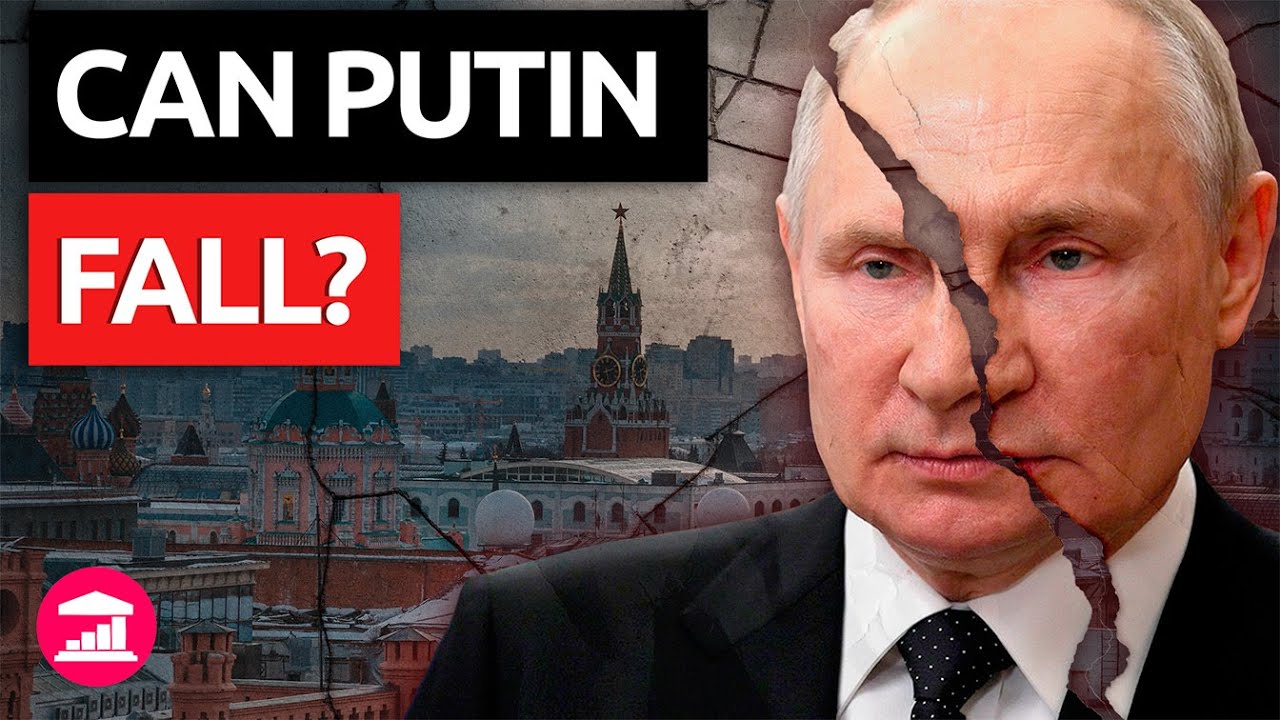
Why China props up Putin


Beijing’s refusal to condemn Moscow’s full-scale assault on Ukraine has hardened into active, if carefully calibrated, material support. Customs and corporate-registration data show Chinese firms now dominate the flow of critical metals, micro-electronics and dual-use components that keep Russia’s defence industry alive, even as Western sanctions tighten.

Recent investigative dossiers detail how small export-intermediaries in coastal provinces label drone engines as “industrial refrigeration units,” allowing them to cross Eurasia by rail and re-appear inside Shahed-style loitering munitions launched against Odesa and Kyiv.

The trade underpinning this pipeline is immense. Despite a 9 % year-on-year dip, bilateral turnover still exceeded $106 billion in the first half of 2025, with Chinese car parts, machine tools and consumer electronics filling gaps left by departing Western brands. Energy sits at the core of the partnership. Xi Jinping and Vladimir Putin agreed in May to fast-track the 50 bcm-per-year “Power of Siberia 2” gas link, which would lock in discounted Siberian gas for decades and give Moscow a lifeline as European demand evaporates.

Financial ties deepen in parallel. By late 2024 more than a third of Russia’s trade was settled in yuan, helping the Kremlin skirt dollar clearing and accelerating Beijing’s long-term bid to internationalise its currency. Yet 98 % of Chinese banks now refuse direct rouble deals, a sign of how carefully Beijing manages sanctions exposure. Strategically, Chinese planners see virtue in a protracted conflict that drains U.S. and European arsenals, diverts NATO bandwidth, and tests Western sanctions architecture—all while avoiding outright Russian collapse that could leave a NATO-leaning vacuum on China’s northern frontier.

Washington and Brussels are responding. The EU is preparing its first penalties on Chinese banks accused of laundering Russian transactions, while Kyiv has black-listed several mainland suppliers implicated in drone production.

Still, Beijing judges the benefits—energy security, discounted commodities, a pliant strategic partner, and valuable combat data for its own doctrine—outweigh the risks. The partnership remains officially “no-limits,” but in practice it is bounded by one overriding calculation: help Moscow enough to bleed Ukraine and frustrate the West, yet not so openly that secondary sanctions threaten China’s wider economic ambitions.