Berliner Boersenzeitung - Europe, Germany and the end of the euro?

EUR -
AED 4.185954
AFN 72.947589
ALL 94.294632
AMD 417.830324
ANG 2.040717
AOA 1045.205368
ARS 1683.774482
AUD 1.652987
AWG 2.051656
AZN 1.936427
BAM 1.957791
BBD 2.287406
BDT 139.692031
BGN 1.927281
BHD 0.42823
BIF 3384.485685
BMD 1.139809
BND 1.473518
BOB 7.848117
BRL 5.900221
BSD 1.13574
BTN 107.155009
BWP 15.497553
BYN 3.232172
BYR 22340.254248
BZD 2.284202
CAD 1.61687
CDF 2587.365958
CHF 0.921797
CLF 0.026609
CLP 1047.267556
CNY 7.755088
CNH 7.754826
COP 3916.759484
CRC 516.91877
CUC 1.139809
CUP 30.204936
CVE 110.378679
CZK 24.26106
DJF 202.242967
DKK 7.474986
DOP 66.927167
DZD 151.937634
EGP 56.431257
ERN 17.097133
ETB 179.123465
FJD 2.582924
FKP 0.862513
GBP 0.862647
GEL 3.014799
GGP 0.862513
GHS 12.774212
GIP 0.862513
GMD 83.206091
GNF 9951.987623
GTQ 8.664924
GYD 237.635784
HKD 8.938364
HNL 30.389498
HRK 7.53345
HTG 148.444185
HUF 354.030908
IDR 20395.740282
ILS 3.415266
IMP 0.862513
INR 107.583366
IQD 1487.838853
IRR 1567294.214566
ISK 144.02629
JEP 0.862513
JMD 178.999641
JOD 0.808094
JPY 184.143532
KES 147.607196
KGS 99.676239
KHR 4573.750637
KMF 494.677183
KPW 1025.8284
KRW 1754.256722
KWD 0.352884
KYD 0.946479
KZT 550.449323
LAK 25242.107599
LBP 101708.364882
LKR 382.76589
LRD 206.698345
LSL 18.808453
LTL 3.36556
LVL 0.689459
LYD 7.293319
MAD 10.692259
MDL 20.159851
MGA 4841.859197
MKD 61.637914
MMK 2392.971959
MNT 4080.792105
MOP 9.171825
MRU 45.111273
MUR 54.380594
MVR 17.610087
MWK 1969.376428
MXN 19.991963
MYR 4.663073
MZN 72.832523
NAD 18.808453
NGN 1566.52989
NIO 41.79341
NOK 11.286559
NPR 171.447061
NZD 2.017627
OMR 0.438256
PAB 1.135775
PEN 3.886652
PGK 4.984002
PHP 69.821231
PKR 316.069401
PLN 4.286759
PYG 6939.995289
QAR 4.139964
RON 5.239589
RSD 117.401001
RUB 87.877339
RWF 1668.974951
SAR 4.264217
SBD 9.177687
SCR 16.007841
SDG 683.885259
SEK 11.07277
SGD 1.475243
SHP 0.850982
SLE 28.280114
SLL 23901.2267
SOS 649.051375
SRD 42.537564
STD 23591.742763
STN 24.524612
SVC 9.938279
SYP 125.985468
SZL 18.805873
THB 38.063948
TJS 10.49996
TMT 3.989331
TND 3.372273
TOP 2.744387
TRY 53.143533
TTD 7.713978
TWD 36.32035
TZS 2986.796222
UAH 51.068251
UGX 4202.346435
USD 1.139809
UYU 45.566929
UZS 13642.871264
VES 707.539771
VND 29970.704864
VUV 136.721107
WST 3.174934
XAF 656.615967
XAG 0.019708
XAU 0.000282
XCD 3.080391
XCG 2.046917
XDR 0.81662
XOF 656.615967
XPF 119.331742
YER 271.986885
ZAR 18.756463
ZMK 10259.644484
ZMW 20.499663
ZWL 367.017998
  • RYCEF

    0.7000

    18.7

    +3.74%

  • RBGPF

    0.0000

    61.3

    0%

  • NGG

    0.5900

    83.42

    +0.71%

  • GSK

    0.8000

    51.89

    +1.54%

  • VOD

    0.0500

    13.86

    +0.36%

  • BTI

    1.0900

    62.48

    +1.74%

  • CMSC

    -0.0190

    22.046

    -0.09%

  • RIO

    1.0800

    95.11

    +1.14%

  • BCC

    2.1000

    79.76

    +2.63%

  • BCE

    0.0000

    23.2

    0%

  • RELX

    -0.2300

    30.92

    -0.74%

  • CMSD

    -0.0900

    21.93

    -0.41%

  • JRI

    0.0100

    12.58

    +0.08%

  • AZN

    2.6600

    185.68

    +1.43%

  • BP

    -0.1400

    37.72

    -0.37%


Europe, Germany and the end of the euro?


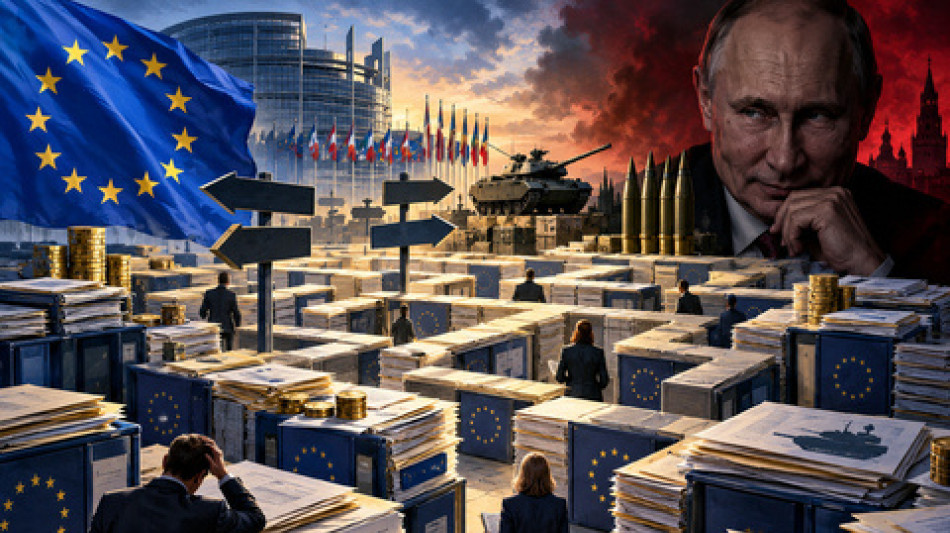
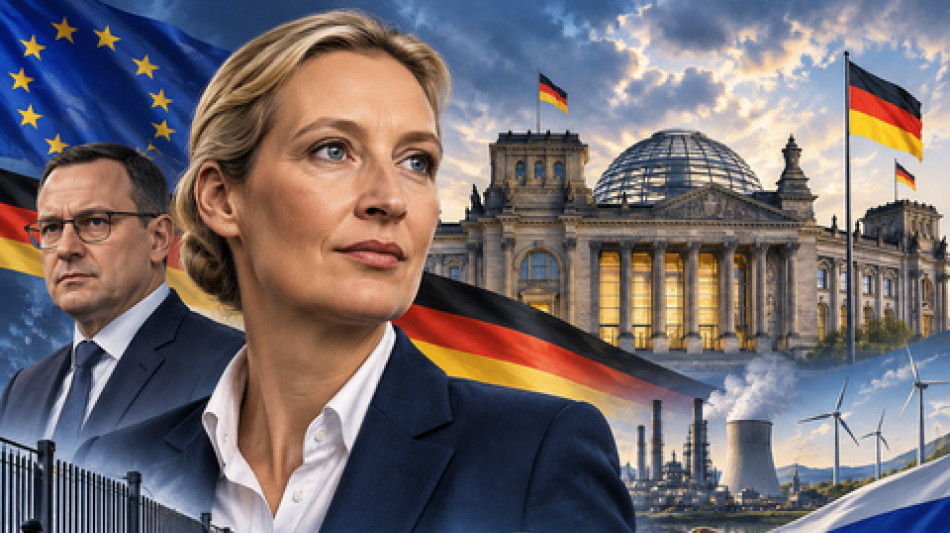
European policymakers and financial experts alike are expressing growing alarm at the prospect of a prolonged economic crisis in Germany, fearing it could jeopardise the stability of the eurozone. Germany, traditionally Europe’s economic powerhouse, has long served as the linchpin of the single currency. Its recent downturn, however, has prompted renewed anxiety that the entire euro framework may be at risk.

Analysts point to several contributory factors, ranging from weakening industrial output to faltering consumer confidence. Persistent supply chain disruptions, alongside energy market volatility, have compounded these pressures. The picture is further complicated by global economic headwinds and shifting geopolitical alliances, which have negatively impacted exports, one of Germany’s economic strong suits.

“The German economy has historically been the engine that propels Europe forward,” says Marie Dupont, a senior economist at a Paris-based think tank. “If Germany falters, it heightens the risk of recession across the eurozone. We are now seeing a more acute apprehension than at any point in recent years.”

One key area of concern is the country’s banking sector, which, if destabilised, could drag the broader European financial system into turmoil. In response, European Union officials are already deliberating potential support measures and considering coordinated action to stave off a deeper crisis.

Critics, however, point to what they regard as complacency in Berlin. Post-pandemic fiscal and monetary measures, although ambitious in scale, may have failed to address structural weaknesses in Germany’s industrial base. Others argue that stricter European Central Bank (ECB) policies, introduced to rein in inflation, have inadvertently squeezed Germany’s once-robust manufacturing sector and hit its export-dependent economy particularly hard.

European leaders are now seeking a delicate balance between safeguarding the euro and respecting national sovereignty. Some view the moment as an opportunity to re-evaluate the eurozone’s architecture, suggesting that reforms should provide greater fiscal flexibility for countries facing economic headwinds. Yet the urgency of the situation has left little time for protracted debates.

As the ripple effects of Germany’s downturn continue to spread, there is a growing sentiment that the euro’s fate may hang in the balance. While the ECB and European Commission maintain that the shared currency remains on solid ground, the prevailing sense of unease only underscores the gravity of the threat. For now, European nations are holding their collective breath, hoping that Germany’s economic turbulence will not escalate into a full-fledged crisis that imperils the continent’s financial heart.