Climate change risk stirs oil market / Photo: Mark Felix - AFP/File

From forest fires to hurricanes and other natural disasters: climate change risk is increasingly influencing oil prices, just as the world is struggling to shift away from high-polluting fossil fuels.
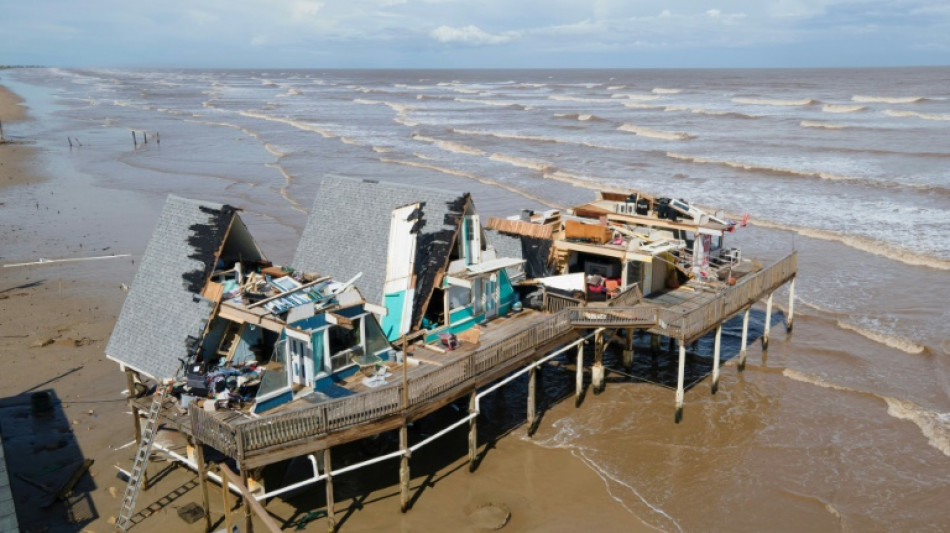
Hurricane Beryl became the latest weather phenomenon to jangle market nerves, boosting crude prices as it passed through Texas earlier this month.
Texas accounts for some 42 percent of total US crude oil production, according to Energy Information Administration data. It also possesses the largest number of crude oil refineries among US states.
"Almost half of the total US petroleum refining capacity is located along the Gulf, with Texas accounting for one-third of total US refining capacity," Exinity analyst Han Tan told AFP.
And industry experts fear Beryl could herald a "super charged" hurricane season this year, according to Tan.
The World Meteorological Organization has warned that Beryl's early formation and swift intensification could foreshadow similarly severe storms in the future.
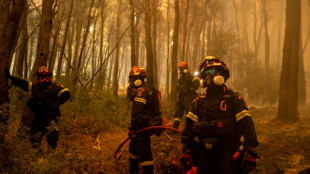
Earlier this year meanwhile, oil market sentiment was jarred in May as forest fires broke out in Canada.
Traders took flight as out-of-control wildfires threatened to spread to the crude-producing hub of Fort McMurray, the nation's largest oil sands mining facility.
- 'More visible and more extreme' -
Traders, more used to pricing in geopolitical turmoil, are now also weighing up the risks arising from the climate crisis.
"Climate change and its effect is a major source of risk in the oil markets, and I expect that that risk will only increase in the coming years as the effects of climate change become more visible and extreme," Rystad Energy analyst Jorge Leon told AFP.
"Geopolitical risk is –- at least partly -– manageable by different actors. For example, international diplomacy could prevent a war.
"However, climate risk is less manageable in the short and medium run. In the long run, you can manage it by trying to reduce emissions," he added.
At the same time, climate disruption is also having an increasingly visible impact on the operations of oil and gas companies, which are frequently slammed by environmentalists over their role in global warming.
"Climate change has been and will be affecting production," summarised Tamas Varga, analyst at PVM Oil Associates.
He added that it also impacted refinery utilisation rates because "hot weather leads to malfunctioning" of the facilities.
Many European refineries were designed in the 1960s and 1970s to withstand colder rather than warmer temperatures, according to Tan.
Fossil fuels -- coal, gas and oil -- are responsible for over 75 percent of global greenhouse gas emissions, according to estimates from the United Nations.
At the COP28 UN climate conference in Dubai last December, almost 200 countries agreed to a call for a transition away from fossil fuels and a tripling of renewable energy capacity this decade.
However, the text crucially stopped short of a direct call for phasing out fossil fuels, while there were major concessions to the oil and gas industry and producer countries.
- 'Economics can't find solution' -
Analysts argue that the oil market participants are simply focused on generating profit rather than saving the environment.
That throws the onus onto the world's politicians and regulators, they add.
"Investors can't be rationally expected to reverse the phenomenon when they try to maximise profits," SwissQuote analyst Ipek Ozkardeskaya told AFP.
"Unless financial costs of climate damages outweigh the financial benefits, the economics can't find the solution to the climate problem."
"So, the ball is in politicians' hands. Only concrete, sharp and worldwide regulatory changes with meaningful financial impact/incentives... could shift capital toward clean and sustainable energies."
(K.Müller--BBZ)