Berliner Boersenzeitung - Spain defies NATO's 5% goal

EUR -
AED 4.247386
AFN 75.757775
ALL 92.81465
AMD 423.084747
ANG 2.06995
AOA 1061.701178
ARS 1720.63469
AUD 1.633423
AWG 2.083212
AZN 1.970704
BAM 1.956412
BBD 2.328269
BDT 141.895612
BGN 1.96191
BHD 0.435963
BIF 3455.890182
BMD 1.156537
BND 1.478652
BOB 13.472214
BRL 6.053203
BSD 1.156032
BTN 110.247486
BWP 15.573814
BYN 3.516113
BYR 22668.120654
BZD 2.324827
CAD 1.60492
CDF 2628.808492
CHF 0.940386
CLF 0.026898
CLP 1058.647954
CNY 7.798764
CNH 7.800372
COP 3639.181725
CRC 520.094166
CUC 1.156537
CUP 30.648224
CVE 110.304272
CZK 24.228872
DJF 205.540169
DKK 7.475559
DOP 67.665261
DZD 153.662148
EGP 58.153333
ERN 17.348052
ETB 186.991291
FJD 2.559937
FKP 0.856967
GBP 0.854623
GEL 3.019013
GGP 0.856967
GHS 12.657959
GIP 0.856967
GMD 85.009906
GNF 10154.615403
GTQ 8.819835
GYD 241.795634
HKD 9.075801
HNL 30.989569
HRK 7.53276
HTG 151.20645
HUF 363.593769
IDR 20616.424427
ILS 3.417686
IMP 0.856967
INR 110.50067
IQD 1514.365356
IRR 1589760.98906
ISK 142.208207
JEP 0.856967
JMD 183.068345
JOD 0.82003
JPY 184.305126
KES 149.494387
KGS 101.139585
KHR 4677.463124
KMF 493.841605
KPW 1040.883431
KRW 1637.367373
KWD 0.357012
KYD 0.96336
KZT 536.410257
LAK 26089.160765
LBP 103514.079503
LKR 384.67361
LRD 209.818331
LSL 18.700711
LTL 3.414953
LVL 0.699578
LYD 7.360684
MAD 10.72191
MDL 20.045484
MGA 4976.556681
MKD 61.552979
MMK 2428.049362
MNT 4160.447329
MOP 9.343123
MRU 46.422923
MUR 54.477208
MVR 17.86893
MWK 2004.426991
MXN 19.706582
MYR 4.725498
MZN 73.914701
NAD 18.70055
NGN 1572.393129
NIO 42.545516
NOK 10.93306
NPR 176.406858
NZD 1.965028
OMR 0.444688
PAB 1.155962
PEN 3.899022
PGK 5.192894
PHP 71.162141
PKR 321.080869
PLN 4.307464
PYG 6938.17028
QAR 4.214137
RON 5.235993
RSD 117.342652
RUB 97.436555
RWF 1699.934634
SAR 4.345368
SBD 9.308482
SCR 15.944299
SDG 694.50458
SEK 11.018401
SGD 1.479644
SHP 0.856839
SLE 28.339391
SLL 24251.996863
SOS 660.646638
SRD 43.91891
STD 23937.97606
STN 24.50915
SVC 10.114601
SYP 15037.290949
SZL 18.698981
THB 38.34849
TJS 10.675039
TMT 4.059444
TND 3.38916
TOP 2.784663
TRY 55.378494
TTD 7.831924
TWD 37.019012
TZS 3064.820166
UAH 51.713559
UGX 4294.603297
USD 1.156537
UYU 46.316691
UZS 13761.423601
VES 890.659494
VND 30241.701679
VUV 137.179134
WST 3.161573
XAF 656.162249
XAG 0.01785
XAU 0.000264
XCD 3.125599
XCG 2.083378
XDR 0.817732
XOF 656.196303
XPF 119.331742
YER 274.334672
ZAR 18.749664
ZMK 10410.222902
ZMW 21.846834
ZWL 372.404367
  • RBGPF

    -0.8200

    71.34

    -1.15%

  • CMSC

    -0.0050

    21.47

    -0.02%

  • NGG

    -0.1000

    81.1

    -0.12%

  • BCC

    -0.8600

    83.27

    -1.03%

  • BCE

    0.1350

    23.455

    +0.58%

  • AZN

    -0.9350

    156.305

    -0.6%

  • GSK

    -0.5935

    49.405

    -1.2%

  • CMSD

    -0.0300

    21.56

    -0.14%

  • RIO

    -0.3800

    95.71

    -0.4%

  • RYCEF

    0.1700

    20.88

    +0.81%

  • JRI

    0.0636

    12.6101

    +0.5%

  • RELX

    -0.1250

    34.545

    -0.36%

  • BTI

    -0.3300

    57.02

    -0.58%

  • VOD

    0.1850

    16.405

    +1.13%

  • BP

    0.3346

    42.645

    +0.78%


Spain defies NATO's 5% goal


Spain has recently taken a bold stance by rejecting the North Atlantic Treaty Organization's (NATO) proposal to increase defense spending to 5% of its Gross Domestic Product (GDP). This decision has ignited debates across the international community, questioning Spain's dedication to NATO and the alliance's future defense strategies.

Background of the proposal
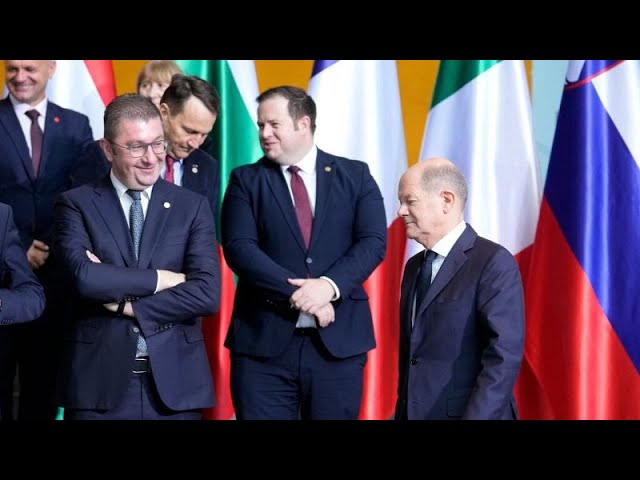
At a recent NATO summit held in The Hague, member states deliberated a significant proposal to elevate defense spending to 5% of GDP by 2035. Championed notably by the United States under President Donald Trump, this increase aimed to counter escalating security threats, particularly from Russia. However, Spain, under the leadership of Prime Minister Pedro Sánchez, has firmly opposed this target, highlighting a clash of priorities within the alliance.

Reasons for Spain's rebellion
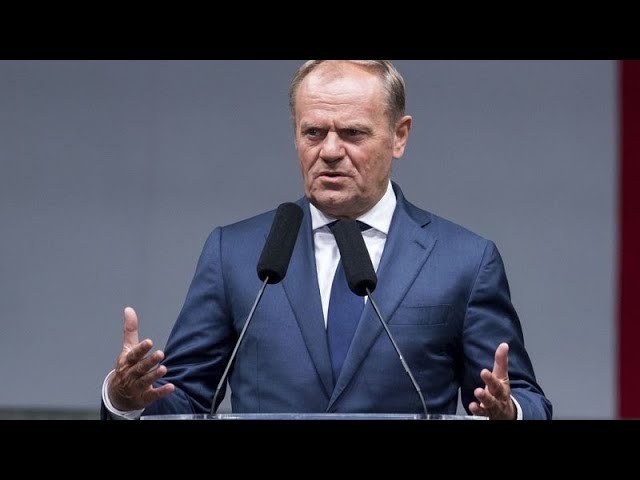
Spain's economy faces challenges with a high debt-to-GDP ratio and persistent budget deficits. Committing to a 5% GDP defense spending target would necessitate severe cuts in critical sectors such as healthcare, education, and social welfare. Prime Minister Sánchez has labeled this potential shift as "unreasonable and counterproductive," stressing that it could destabilize Spain's economic recovery and social cohesion.

Strategic perspective
Geographically distant from Russia's borders, Spain perceives less immediate threat compared to Eastern European NATO members. This distance influences Spain's defense priorities, leading Sánchez to argue that Spain can fulfill NATO's capability requirements efficiently without adhering to the proposed spending hike. He advocates for resource allocation based on strategic necessity rather than a uniform percentage.

Reactions and repercussions
Spain's stance has elicited mixed responses. Within NATO, some member states and U.S. officials have voiced concerns, suggesting that this could undermine the alliance's collective defense strength and signal vulnerability to adversaries. President Trump has even hinted at retaliatory measures, such as imposing higher tariffs on Spanish exports.

Conversely, Spain stands firm, proposing a more tailored approach to defense contributions. Sánchez suggests that NATO should assess member contributions based on specific defense needs and capabilities, promoting fairness and flexibility across the alliance.

Broader implications
This rebellion underscores a growing rift within NATO regarding defense spending priorities. It challenges the alliance to reconsider how it measures and distributes defense responsibilities, balancing collective security with the diverse economic realities of its members. Spain's position could prompt a broader dialogue on adapting NATO's strategies to contemporary global security demands.

Conclusion of all
Spain's rejection of NATO's 5% GDP defense spending target reflects a complex interplay of economic limitations, strategic considerations, and political resolve. While it has strained relations within the alliance, it also opens the door for NATO to refine its approach, ensuring resilience and unity in addressing future threats.