Berliner Boersenzeitung - Trump's expanded tariff risk

EUR -
AED 4.239441
AFN 75.634978
ALL 92.93553
AMD 422.339815
ANG 2.066284
AOA 1058.561336
ARS 1722.320555
AUD 1.634409
AWG 2.077875
AZN 1.96478
BAM 1.956969
BBD 2.324869
BDT 141.684659
BGN 1.955947
BHD 0.43526
BIF 3451.032148
BMD 1.154375
BND 1.47737
BOB 13.534087
BRL 6.008867
BSD 1.15428
BTN 110.110793
BWP 15.538284
BYN 3.471544
BYR 22625.745222
BZD 2.321477
CAD 1.609193
CDF 2626.202608
CHF 0.937058
CLF 0.026794
CLP 1054.394553
CNY 7.78493
CNH 7.785571
COP 3627.968984
CRC 518.305205
CUC 1.154375
CUP 30.590931
CVE 110.330924
CZK 24.222072
DJF 205.555493
DKK 7.475875
DOP 67.559783
DZD 153.524908
EGP 57.927907
ERN 17.315621
ETB 186.718567
FJD 2.554574
FKP 0.85447
GBP 0.854624
GEL 3.012397
GGP 0.85447
GHS 12.847677
GIP 0.85447
GMD 85.423303
GNF 10140.058837
GTQ 8.806262
GYD 241.497436
HKD 9.058552
HNL 30.945222
HRK 7.534953
HTG 150.978904
HUF 363.378689
IDR 20610.206897
ILS 3.420372
IMP 0.85447
INR 110.109863
IQD 1512.090398
IRR 1586832.398703
ISK 142.195572
JEP 0.85447
JMD 182.619118
JOD 0.818489
JPY 183.781659
KES 149.202516
KGS 100.950186
KHR 4671.771218
KMF 494.072639
KPW 1038.937368
KRW 1636.592128
KWD 0.35639
KYD 0.961987
KZT 537.170968
LAK 26043.448547
LBP 103366.66313
LKR 384.783247
LRD 209.508814
LSL 18.621126
LTL 3.408569
LVL 0.698269
LYD 7.352393
MAD 10.691789
MDL 20.037973
MGA 4971.949279
MKD 61.567321
MMK 2424.009236
MNT 4153.404894
MOP 9.329736
MRU 46.256639
MUR 54.428862
MVR 17.846679
MWK 2001.622008
MXN 19.687976
MYR 4.717356
MZN 73.766695
NAD 18.620965
NGN 1570.06042
NIO 42.47538
NOK 10.968107
NPR 176.177269
NZD 1.972099
OMR 0.443869
PAB 1.154285
PEN 3.895127
PGK 5.108052
PHP 70.766708
PKR 320.399168
PLN 4.307093
PYG 6889.056637
QAR 4.196171
RON 5.242936
RSD 117.305264
RUB 96.765012
RWF 1700.345441
SAR 4.379598
SBD 9.309964
SCR 15.830037
SDG 693.214538
SEK 11.02455
SGD 1.477311
SHP 0.855237
SLE 28.339961
SLL 24206.659442
SOS 659.694177
SRD 43.545903
STD 23893.22678
STN 24.514435
SVC 10.100035
SYP 15009.180918
SZL 18.625968
THB 38.265789
TJS 10.665812
TMT 4.040312
TND 3.387595
TOP 2.779457
TRY 55.150277
TTD 7.827609
TWD 37.06547
TZS 3053.901857
UAH 51.597931
UGX 4285.52354
USD 1.154375
UYU 46.247634
UZS 13788.238679
VES 883.568034
VND 30100.321768
VUV 136.902644
WST 3.152342
XAF 656.346334
XAG 0.017799
XAU 0.000264
XCD 3.119756
XCG 2.080334
XDR 0.816819
XOF 656.343489
XPF 119.331742
YER 273.759538
ZAR 18.658817
ZMK 10390.745038
ZMW 21.700967
ZWL 371.708201
  • RBGPF

    0.0000

    72.16

    0%

  • RYCEF

    0.1700

    20.71

    +0.82%

  • VOD

    0.0950

    16.185

    +0.59%

  • NGG

    0.4000

    81.08

    +0.49%

  • RIO

    -2.4200

    98.8

    -2.45%

  • AZN

    -0.3900

    158.11

    -0.25%

  • GSK

    0.2050

    50.505

    +0.41%

  • CMSC

    0.0100

    21.46

    +0.05%

  • BCE

    -0.1000

    23.03

    -0.43%

  • RELX

    -0.5550

    33.995

    -1.63%

  • CMSD

    0.0200

    21.61

    +0.09%

  • BP

    -0.1150

    42.815

    -0.27%

  • BCC

    -0.0400

    84.21

    -0.05%

  • JRI

    -0.0200

    12.69

    -0.16%

  • BTI

    1.7450

    57.585

    +3.03%


Trump's expanded tariff risk


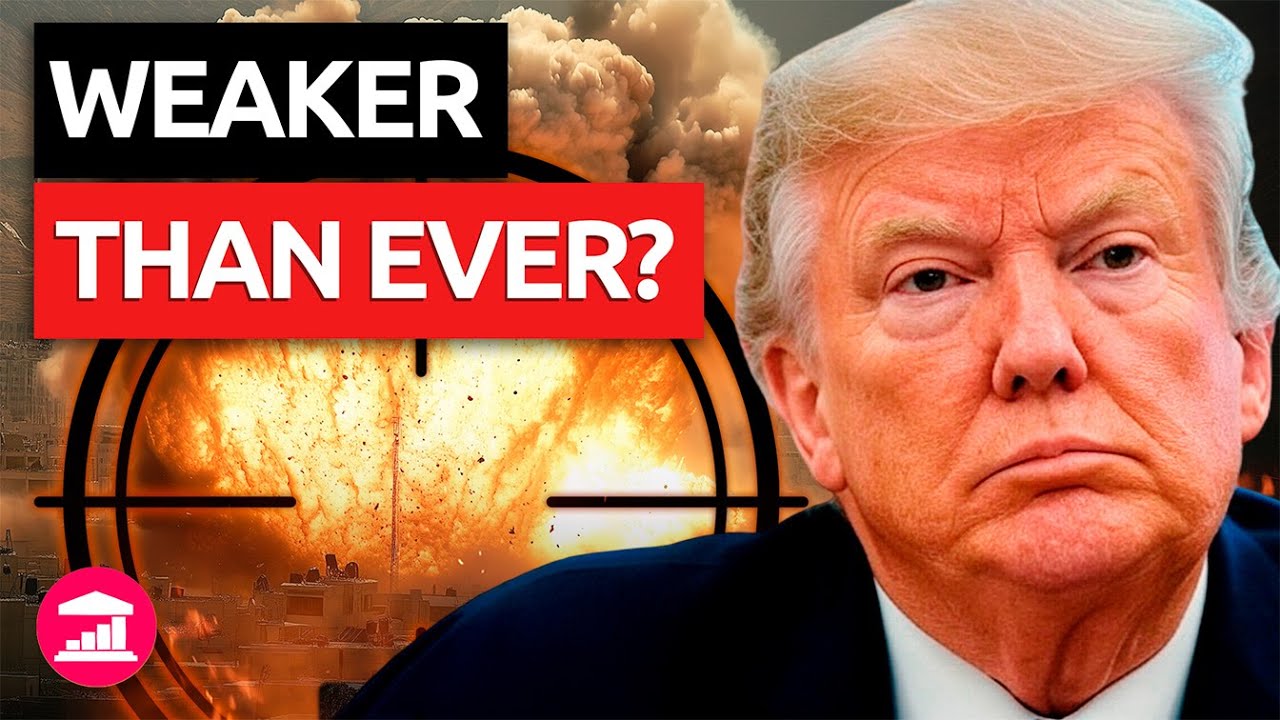
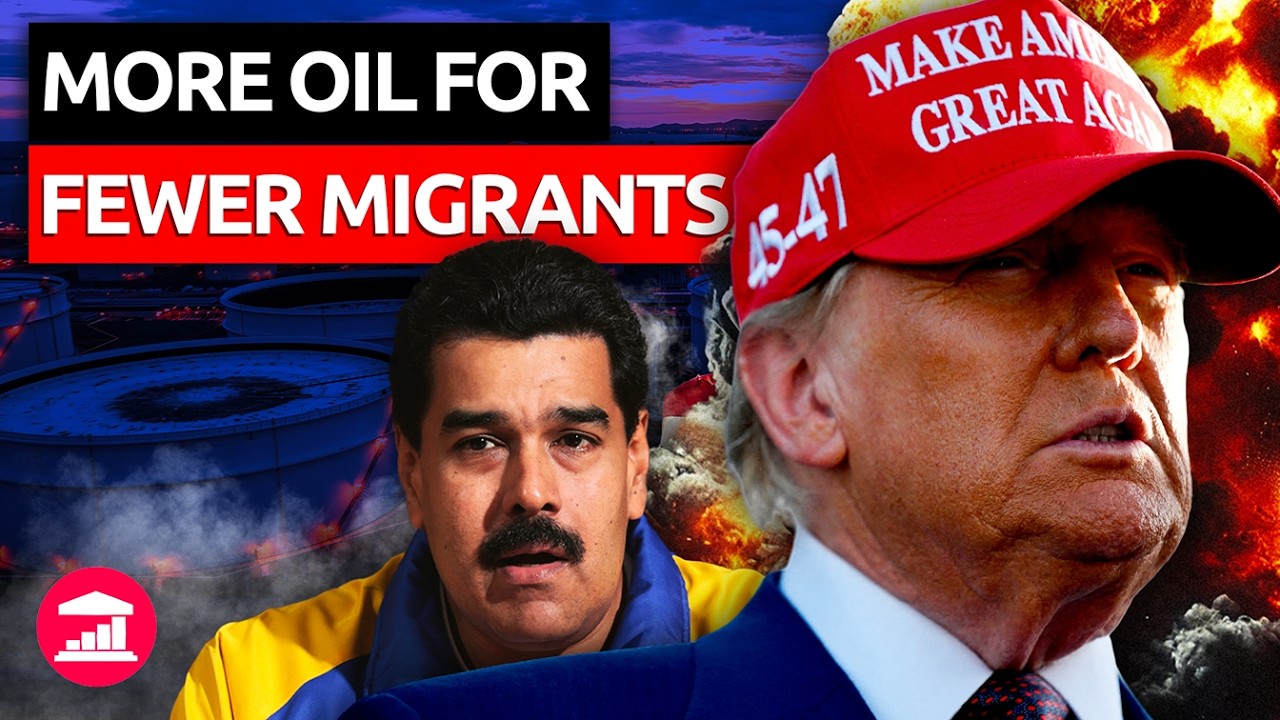
Donald Trump (78), the former 45th and now 47th President of the United States, is preparing a surprising tariff package that could fundamentally change US trade policy. However, this package, which is intended as part of his strategy to strengthen the American economy, could have unexpected negative consequences that Trump may ultimately regret.

The expanded tariff package aims to tax further imports from certain countries in order to protect American companies and promote domestic jobs. In particular, tariffs on products from China, Mexico and the European Union are to be increased. Trump argues that these measures are necessary to combat unfair trade and restore the US as a leading economic power.

However, experts warn of the potential risks of this policy. Firstly, renewed tariffs, following the recent harsh US tariff measures, could lead to an escalation of trade conflicts, which could result in countermeasures by other countries and a global trade war. This would not only burden the American economy, but also jeopardise global economic stability.

Secondly, the new tariffs could increase prices for consumers in the US, as companies would pass on the additional costs to end customers. This could lead to inflation and reduce Americans' purchasing power.

Thirdly, the tariffs could damage relations with important trading partners and undermine confidence in the US as a reliable economic partner. This could have long-term implications for international cooperation and the geopolitical position of the US.

Fourthly, the tariffs could also have political consequences for Trump. If the measures fail to deliver the desired economic results or even have negative effects, this could weaken his support among voters and hurt his chances of re-election.

Overall, Trump's expanded tariff package would be a risky move that carries both economic and political risks. Although it is being presented as a means of strengthening the American economy, the long-term consequences could cause Trump to regret his decision.